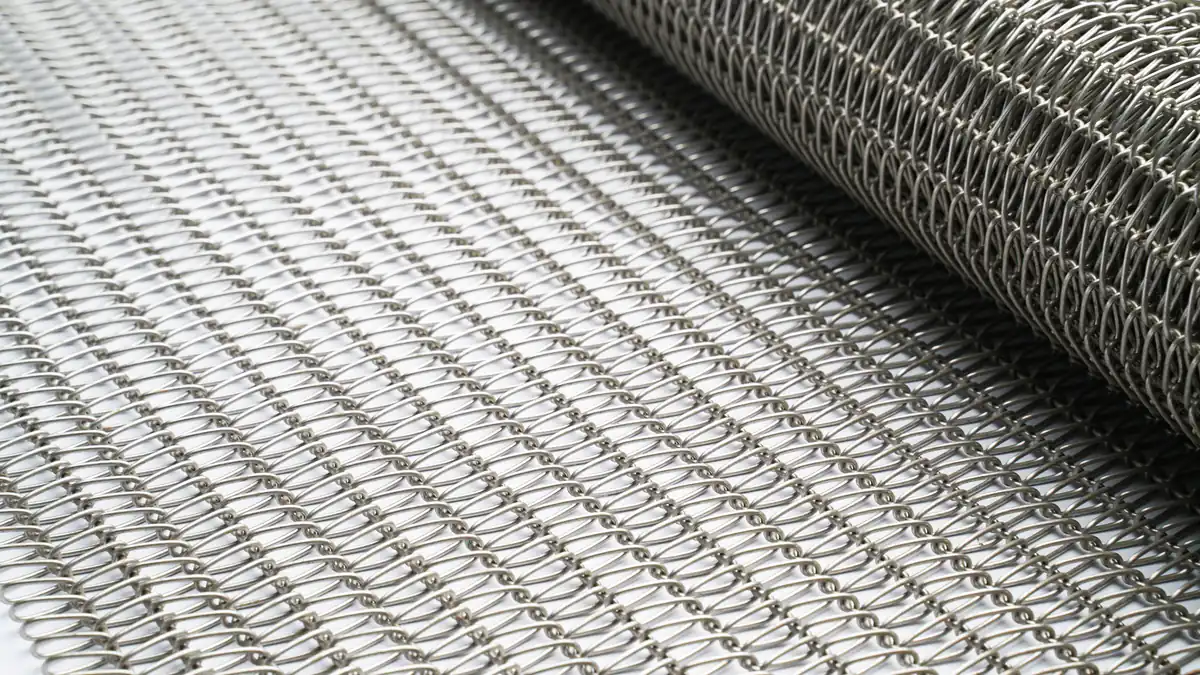
Direct answer
Compare the supplier's process, not only the product photo.
A strong architectural metal mesh supplier should help clarify product direction, sample approval, finish route, quotation inputs, production capability, inspection and packing. For project work, communication and risk control matter as much as the mesh pattern.
Supplier signals
Look for practical project support.
Useful signs include clear sample discussion, willingness to review drawings, product-family knowledge, finish explanation, packing awareness and a realistic production route. A supplier that only sends generic photos may not understand the project condition.
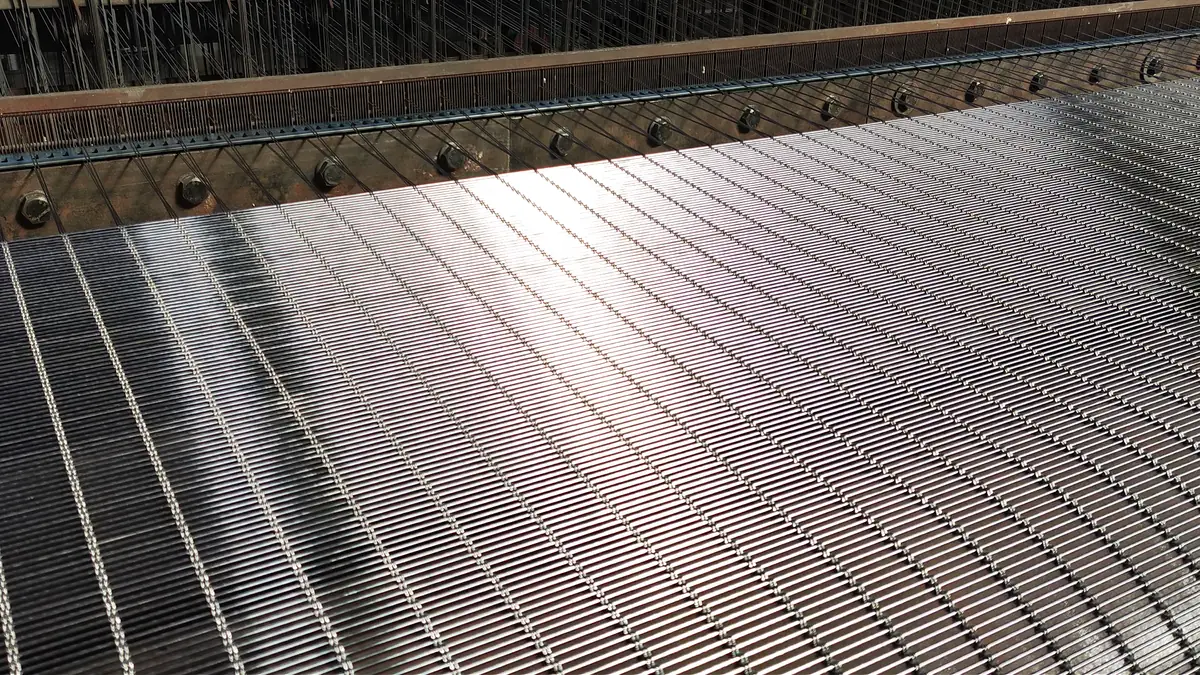
Factory capability
Factory support should connect to your project risk.
SGORIA is a self-owned factory, so selection, sample confirmation, finish control, inspection and packing can be connected through one workflow. This is especially useful for custom panels, chain curtain patterns, facade screens and repeated project supply.
Buyer checklist
A good supplier makes the next step clearer.
Before choosing a supplier, ask what information they need for quotation, how samples are approved, what inspection is done, how items are labeled and packed, and how changes are communicated before shipping.
Project checklist
Information worth confirming before the next discussion
- Product family knowledge
- Sample approval process
- Quotation input clarity
- Factory production capability
- Finish control
- Inspection before shipping
- Packing and labeling
- Communication speed
Questions to clarify
If you still have questions, start with these answers
What should be checked before approving a metal mesh supplier?
Check product fit, sample process, quotation detail, production capability, finish control, inspection method, packing plan and communication reliability.
How do samples reduce supplier risk?
Samples show whether the supplier understands the project direction. They also create a reference for finish, density, texture and production expectations.
Why does factory ownership matter?
A self-owned factory can connect sample confirmation, production, inspection and packing more directly, reducing communication gaps between design intent and supply.