
Choose stainless steel, aluminum, copper, brass direction or coated metal around exposure, touch level and service life.
Sustainability
Responsible metal mesh choices for longer architectural value.
SGORIA looks at sustainability through the decisions that shape real projects: durable materials, suitable finishes, open surface performance, sample confirmation, careful production notes and maintenance expectations that support longer use.
SGORIA framework
Sustainability begins before the mesh is produced.
A responsible metal mesh decision is not only about the material itself. It depends on whether the product, finish, fixing and maintenance route are suitable for the actual building condition.
Reduce avoidable remake by confirming mesh family, finish sample, fixing logic and packing expectation before production.
Use mesh openness to support daylight filtering, ventilation, screening and shading without closing the building surface.
Plan cleaning, access and finish protection early so the surface can remain useful and refined after installation.
Material routes
Use metal character, durability and finish behaviour as one decision.
Many architectural mesh surfaces are selected for long service life. SGORIA connects material choice with exposure, color, cleaning, edge detail and sample approval.
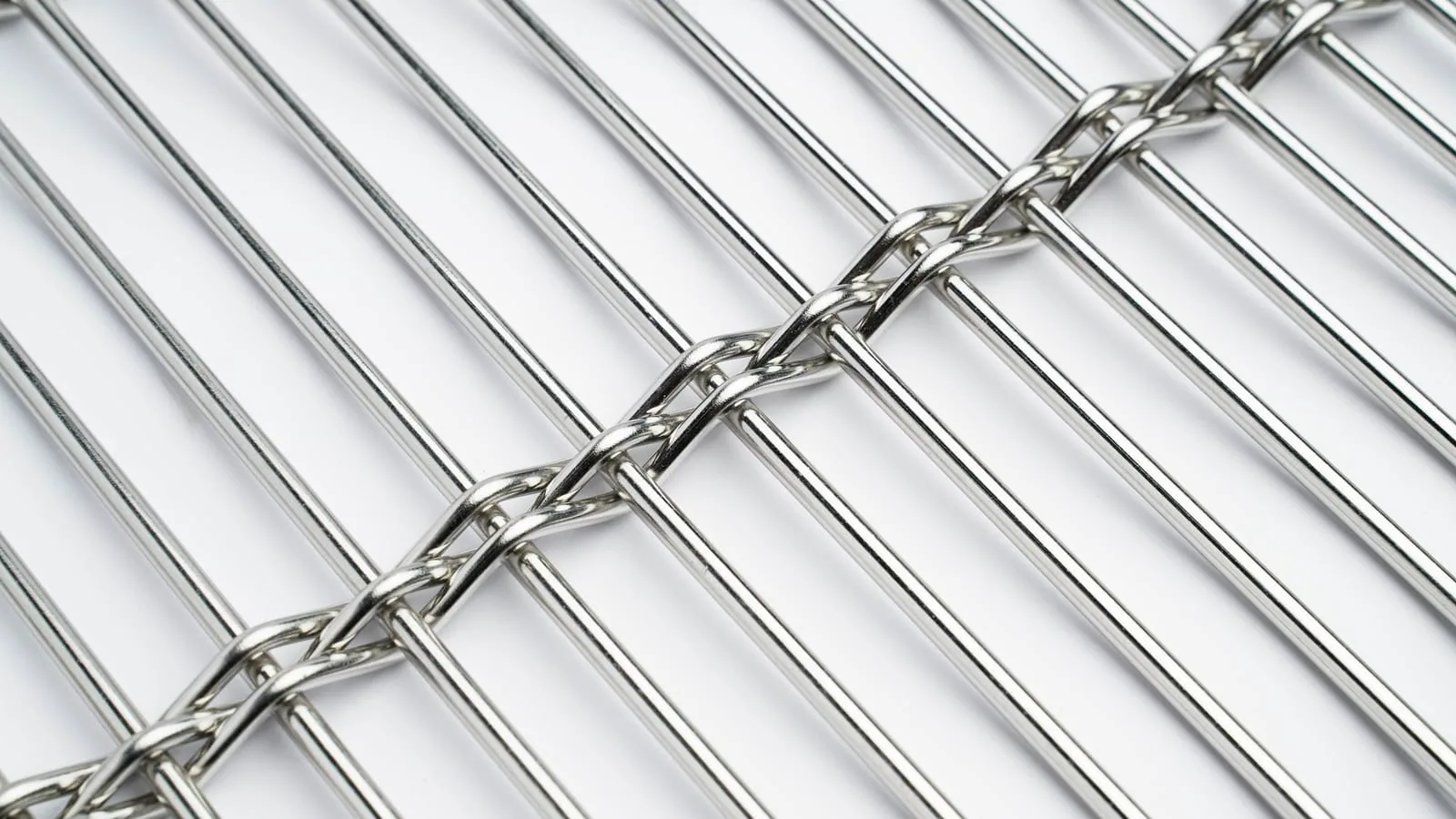
Recyclable metal thinking
Architectural mesh often begins with metals that can stay in material cycles after use. SGORIA helps match the metal route to project exposure, weight, appearance and maintenance needs.
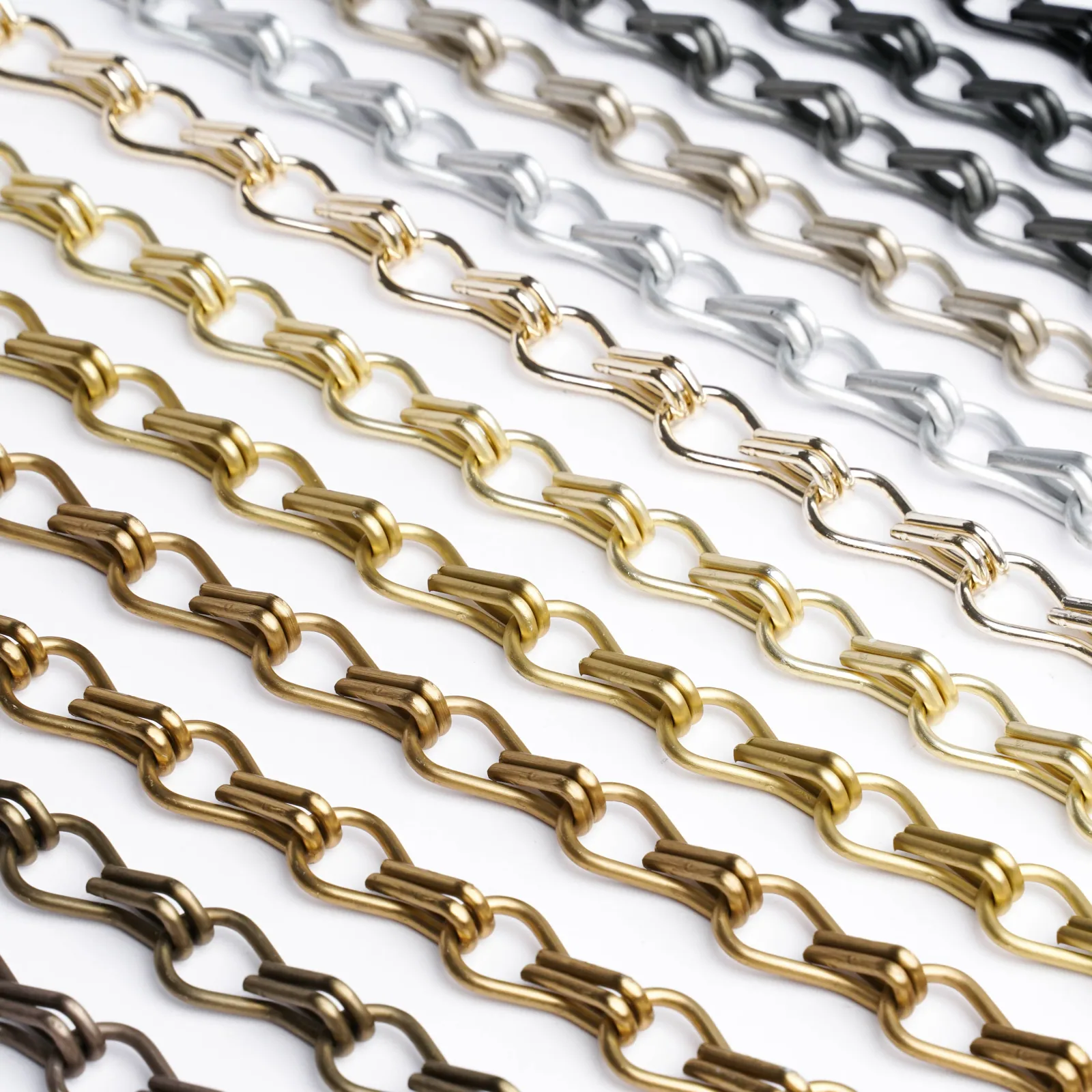
Lightweight aluminum routes
Aluminum can reduce handling weight and support anodising, powder coating, curtains, perforated panels and aluminum foam surfaces when the project needs lighter metal expression.
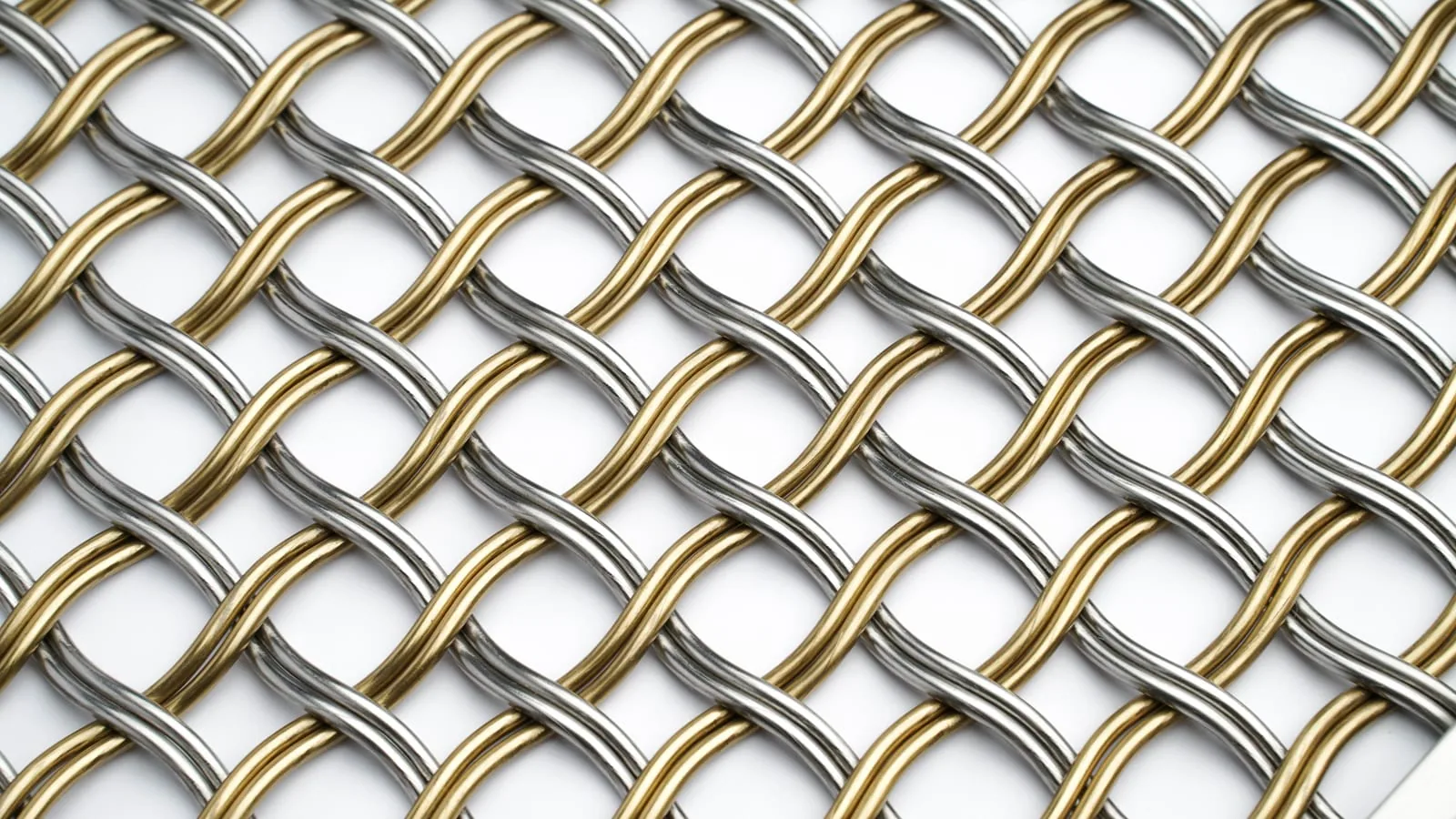
Finish selection by condition
Powder coating, anodising, natural metal and decorative plating should be reviewed with physical samples, lighting, exposure and cleaning expectations.
Lifecycle route
From design intent to long-term care.
Waste is often created by late changes, unsuitable finishes, unclear fixing details or poorly communicated samples. SGORIA's sustainability work is practical: reduce uncertainty before the project reaches production.
- 01 Define
Application, exposure, viewing distance, touch level and maintenance access.
- 02 Select
Mesh family, material choice, openness, finish target and fixing logic.
- 03 Sample
Texture, color, reflection and material tone checked under real project light.
- 04 Coordinate
Panel size, edge treatment, packing, labels and production notes aligned.
- 05 Maintain
Cleaning method, inspection rhythm and finish care kept with project records.
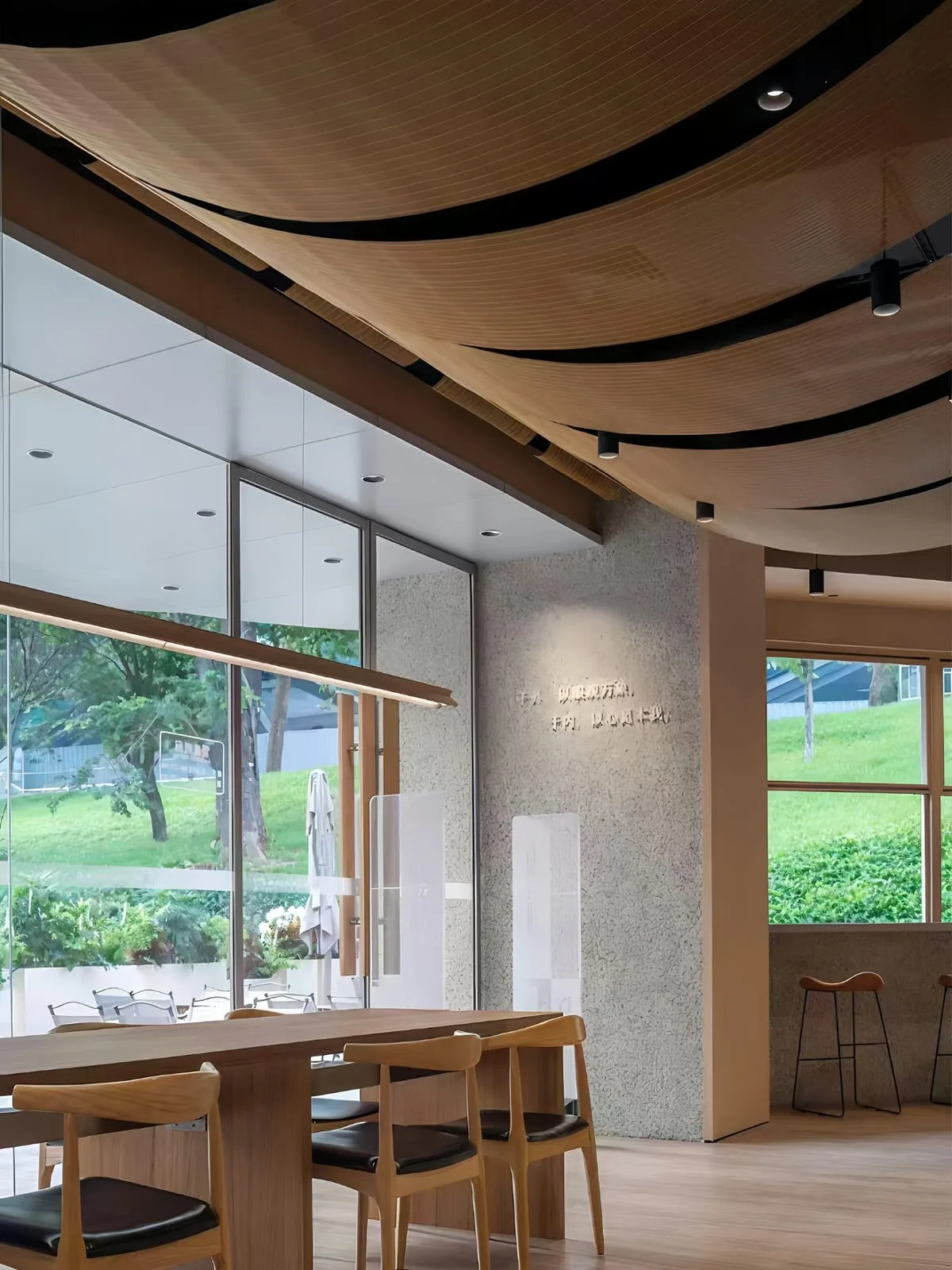
Open mesh performance
Open metal surfaces can do environmental work while keeping architectural depth.
Metal mesh is valuable when it does more than decorate. Depending on product family and application, open surfaces can help filter light, keep air movement, create privacy, soften solar exposure and reduce the need for heavier closed materials.
Open mesh can soften glare and create layered light without replacing the building envelope.
Perforated, expanded and woven structures can keep air movement in screens and enclosures.
Facade and parking applications can balance shading, view control and visual rhythm.
Partitions, curtains and ceiling features can divide space while keeping lightness and reuse potential.
Responsible project support
Better specification reduces avoidable waste.
SGORIA cannot make sustainability credible with one generic claim. The work happens in smaller project decisions: choosing a material that fits the environment, approving the right sample, protecting the finish and keeping future maintenance realistic.
Materials & FinishesCompare stainless steel, aluminum, warm metals, coated finishes and sample options around the real project use.
Coordinate module size, edge detail, tension, track or frame direction before production details are locked.
Plan cleaning habits, handling sensitivity and finish protection before the surface reaches the project site.
Keep approved samples, finish notes, packing expectations and delivery communication aligned for future reference.
Maintenance as sustainability
Longer use depends on realistic care expectations.
Care should be planned with the selected material, finish, exposure and cleaning access, so the surface can remain useful after installation.
View Maintenance & CareExposure, touch level and cleaning access should be considered before the final mesh route is approved.
Sample records, finish type and handling limits help future teams avoid over-cleaning or damage.
Gentle, repeatable maintenance is usually better than strong cleaning after visible surface problems appear.
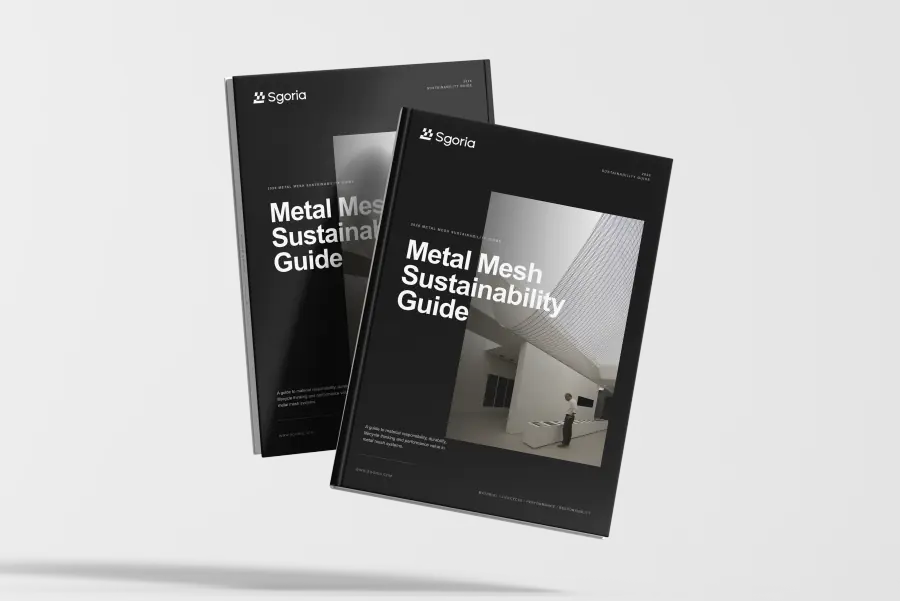
Sustainability guide download
Download the SGORIA Metal Mesh Sustainability Guide.
Use this guide to review material responsibility, durability, lifecycle thinking and performance value before confirming the project route.
Download guideResponsible selection
Choose material, finish and fixing around the real project use.
Send the application, exposure, finish target, drawing or reference image. SGORIA can help compare durable material and sample options.