
Premium interiors, Protected decorative surfaces
Living warm surface
Copper architectural metal mesh material.
Copper gives architectural metal mesh a distinctive warm signature, especially in protected interiors, glass build-ups and custom decorative surfaces.
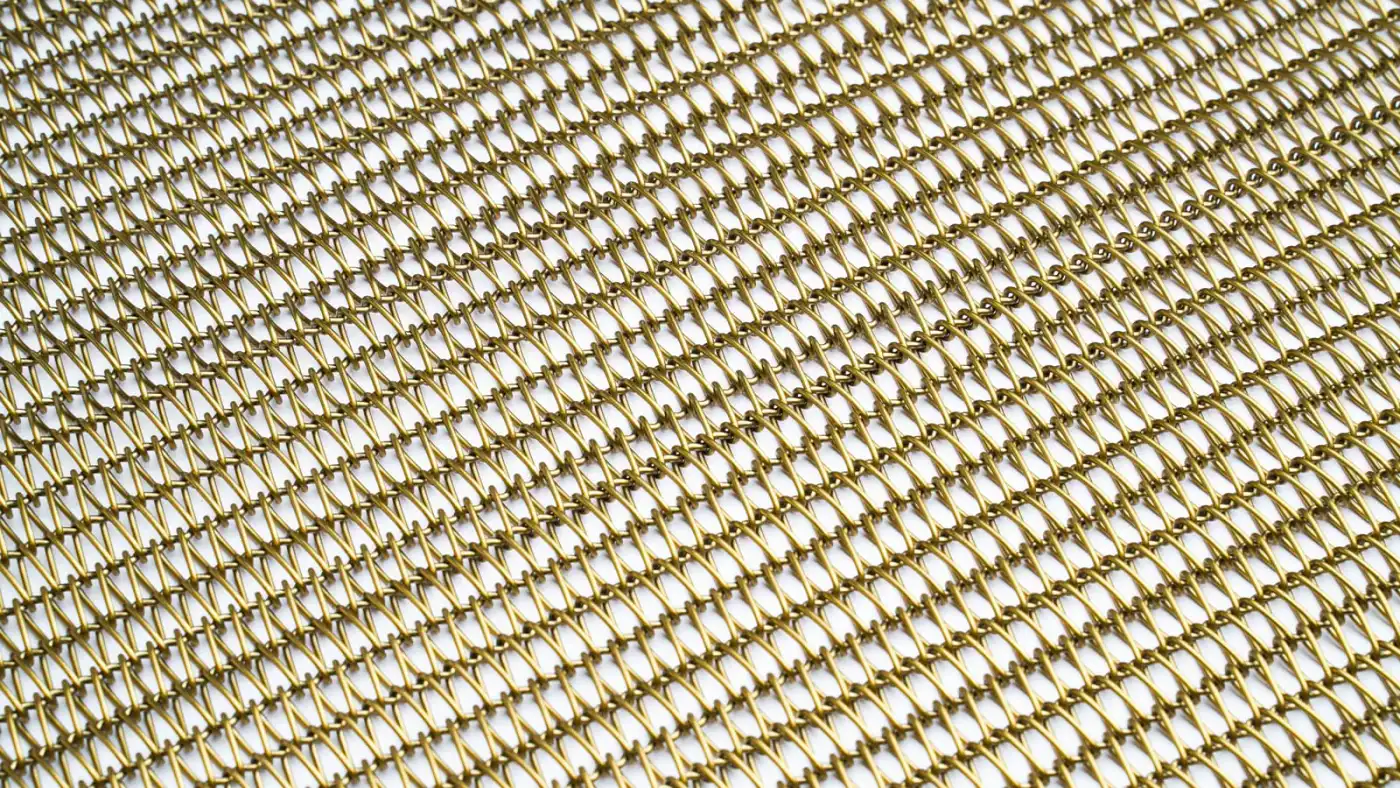
A living warm metal for protected interiors, glass build-ups and design-led feature surfaces.
Patina expectation, Protective finish, Fingerprints and handling
Laminated Glass Metal Mesh, Woven Wire Mesh, Perforated Metal
Material performance
Judge the material by how the project will use it.
A living warm metal for protected interiors, glass build-ups and design-led feature surfaces. The useful question is not only whether the material looks right, but whether it fits exposure, touch level, weight, finish direction, fixing logic and long-term care.
Copper gives a stronger material signature when the surface is meant to be noticed.
Patina, darkening and handling marks can become part of the design, but only when expected.
Copper is often stronger in interiors, glass build-ups or protected decorative applications.
Cleaning method, touch level and protective finish should be defined before production.
Applications
Where Copper is usually worth reviewing.
- Interior wall features
- Laminated glass mesh
- Retail surfaces
- Custom decorative panels
Product families
How this material connects with SGORIA products.
Decision checklist
Confirm the details that change material performance.
Material selection becomes more accurate when project teams share the application, exposure, finish target, fixing condition and maintenance expectation together.
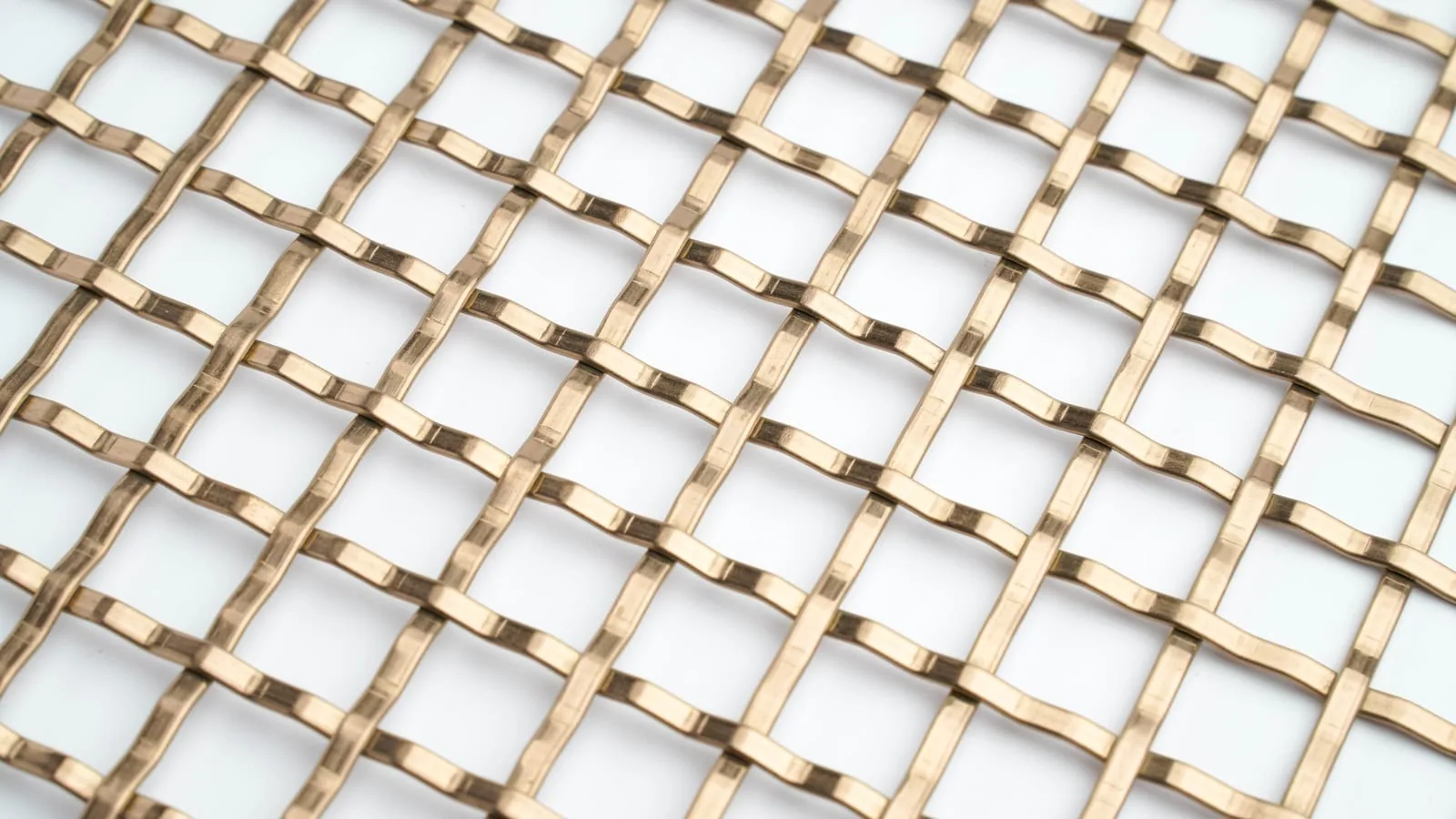
Patina expectationProtected or exposed useTouch levelReference toneCleaning methodGlass or backing build-upSample consistencyHandling protection
When to reconsider
Sometimes another material route is the better answer.
SGORIA can help compare the material route before sampling, especially when weight, color tone, exposure or maintenance expectation points in another direction.
- The project needs a surface that stays visually unchanged.
- Frequent touch and cleaning cannot be controlled.
- A neutral or economical material route is more suitable.
Finish compatibility
Match the base material with the right surface direction.
Finish choice should be checked with material, lighting, exposure and maintenance expectation before production.
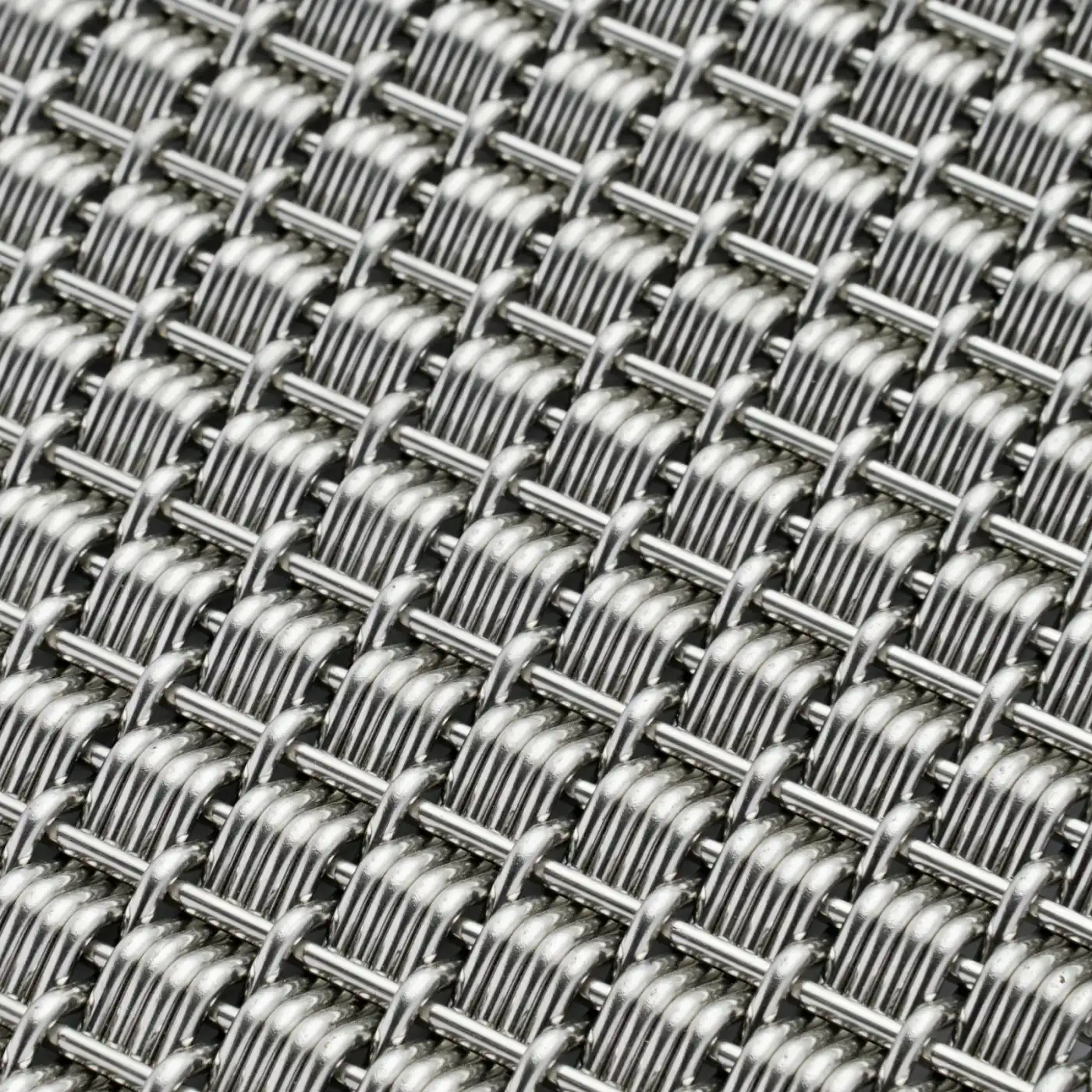 Natural Metal Finish
 Allows copper character and aging behavior to remain visible.
View finish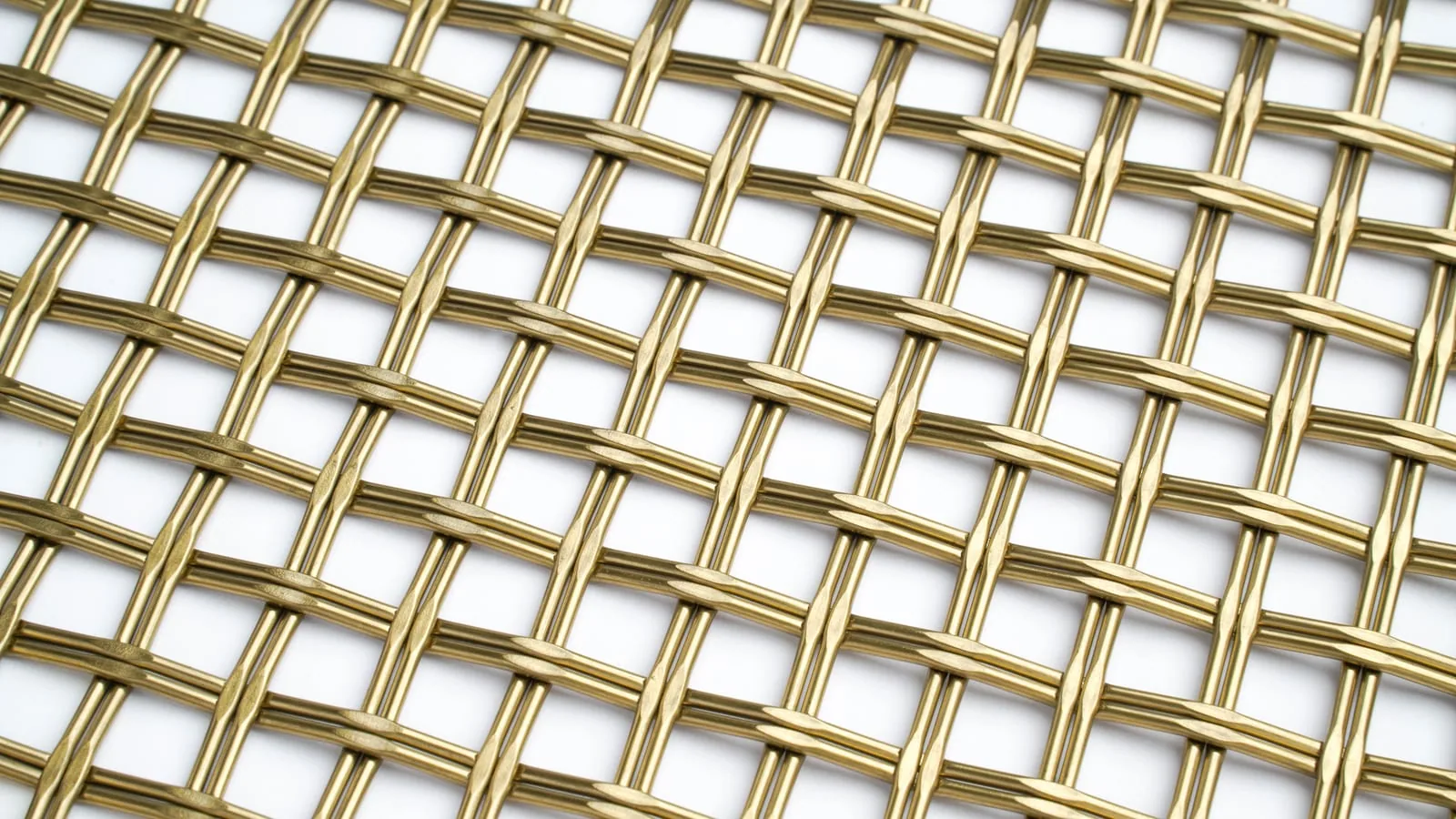 Electroplating
 Useful when a controlled plated tone is required.
View finish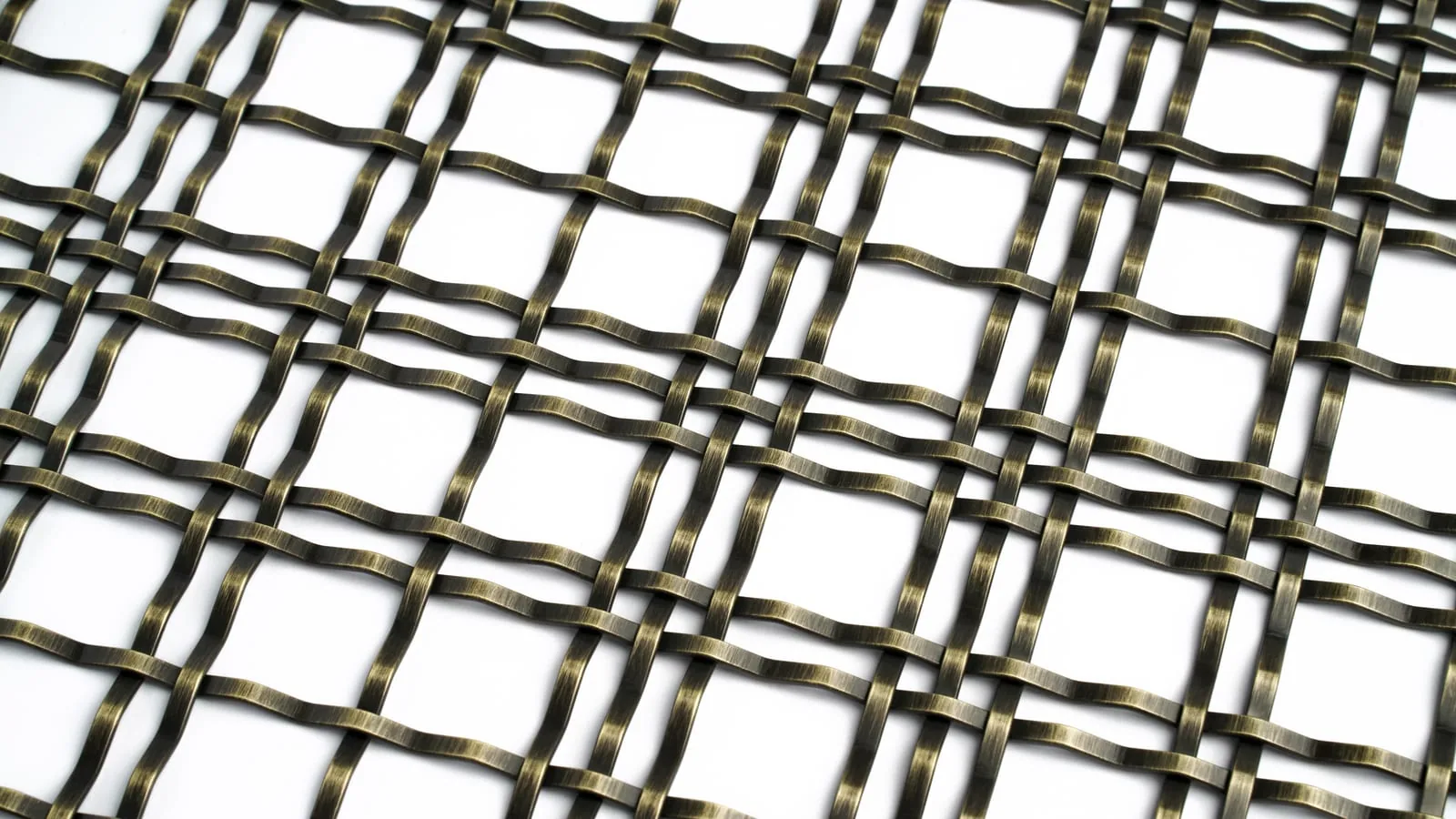 Aged Bronze Finish
 Reviewed when the project wants a darker settled appearance.
View finish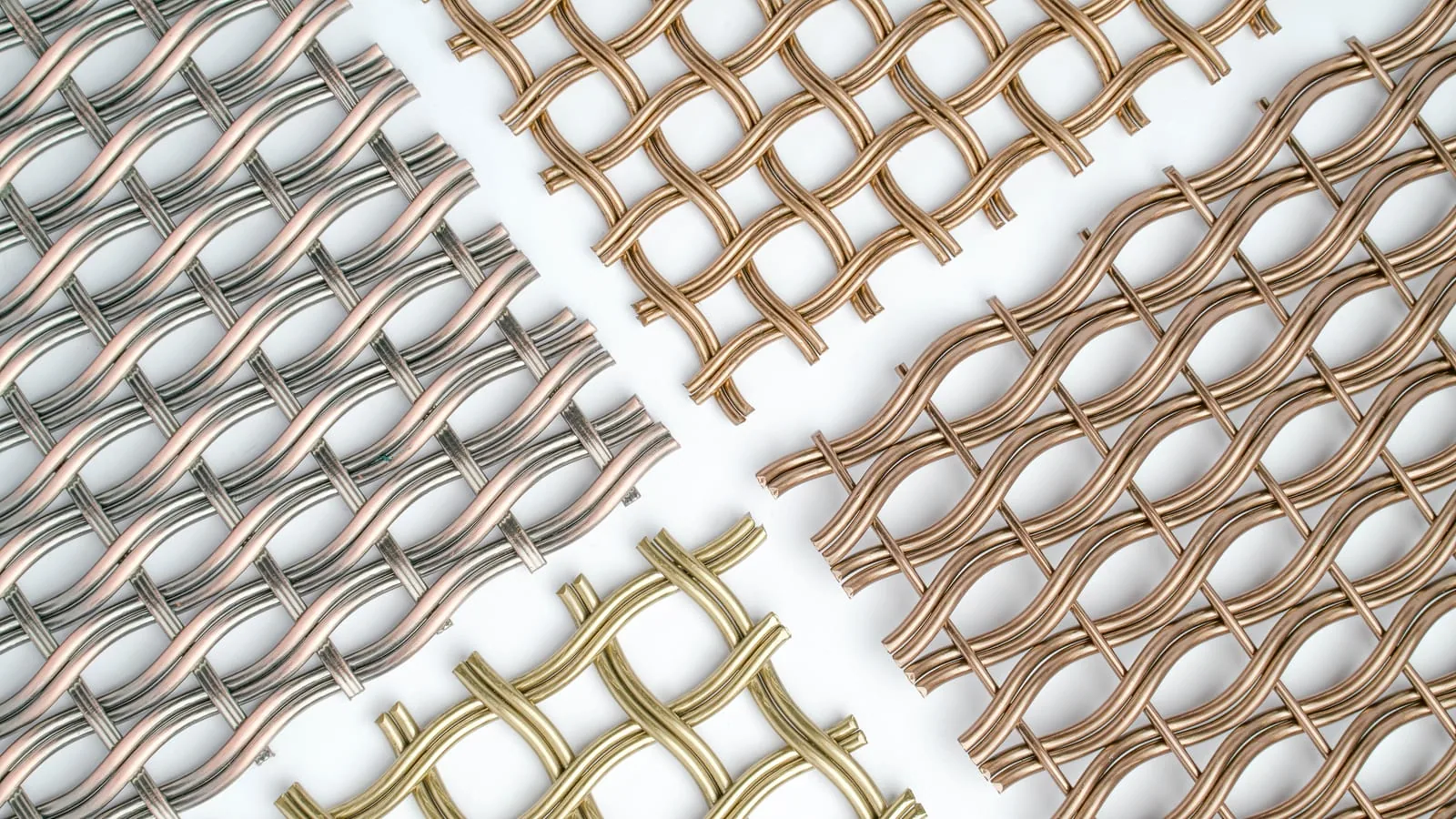 Custom Finishes
 Helps match a specific copper or bronze reference direction.
View finish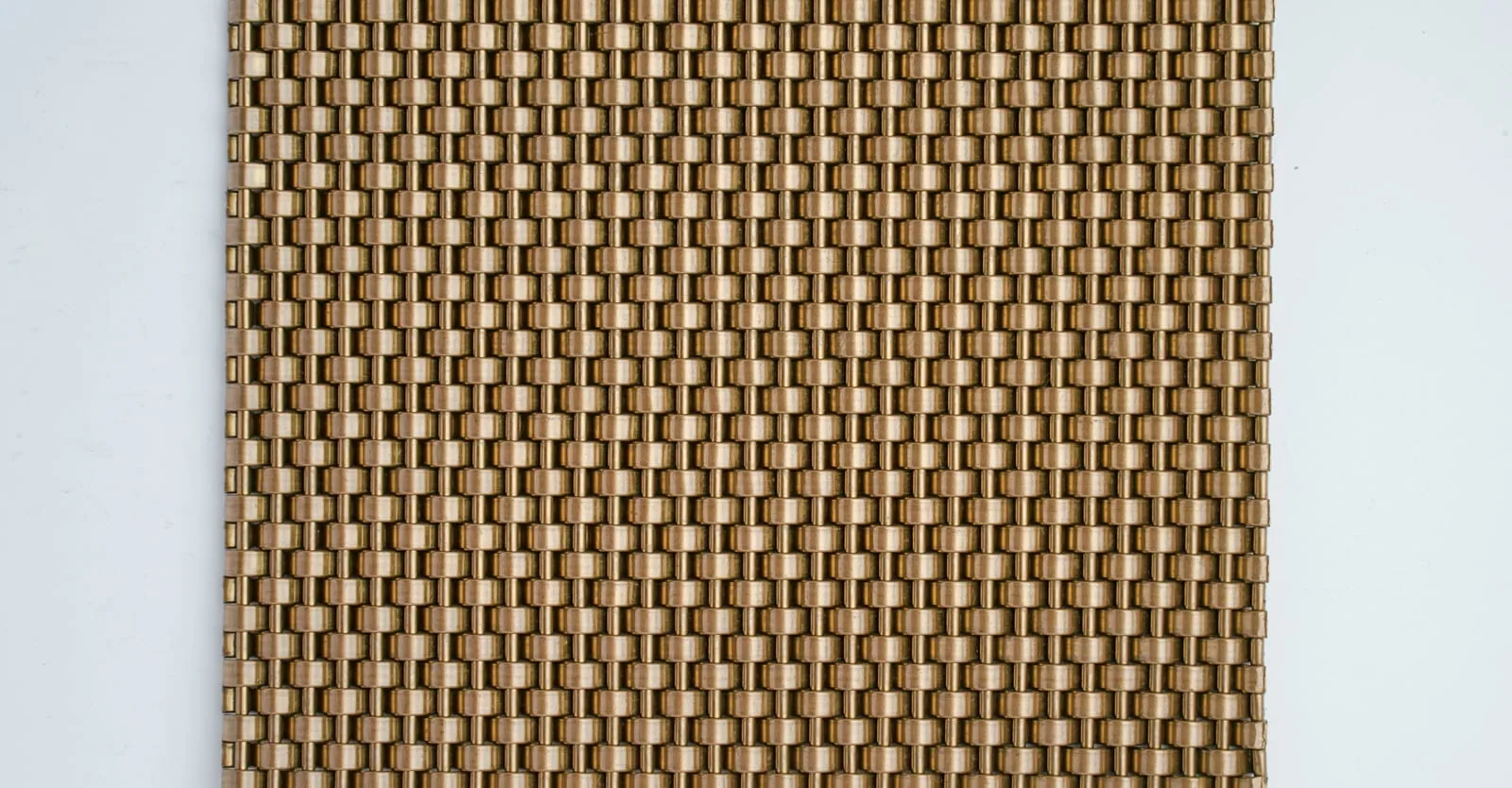
Sample approval
Use samples to judge the material in real light.
- Check color and reflection under project lighting.
- Review openness, texture scale and viewing distance.
- Confirm handling marks, touch level and cleaning needs.
- Keep the approved sample as the production reference.
Material FAQ
Common questions before choosing Copper.
These answers are practical starting points. Final material direction should still be checked around the selected product, finish, exposure and sample target.
Where is copper metal mesh most suitable?
Copper is most suitable for protected interiors, laminated glass build-ups, retail features and custom decorative surfaces where a warm living metal tone is part of the design.
Will copper mesh patina or darken?
Yes, copper can darken or develop patina depending on exposure, handling and cleaning. The project should decide whether that natural change is acceptable before approval.
Can copper be protected inside glass?
Yes. Laminated glass metal mesh can protect copper-tone patterns while keeping the warm texture visible, but glass build-up and sample panel review are important.
What information helps SGORIA review copper mesh?
Share the application, reference tone, exposure, touch level, glass or backing condition, finish expectation and sample requirement.
Material support
Need help matching Copper to a project?
Send the application, exposure, finish target or reference image. SGORIA can help compare material and sample direction with the project condition.