
Solar filtering, glare control and a lighter exterior expression.
Solar control layer
Sunshading architectural metal mesh.
Sunshading mesh should reduce glare and heat while keeping the building light, open and visually calm. SGORIA helps compare mesh density, orientation, finish and fixing before the shade layer is finalized.
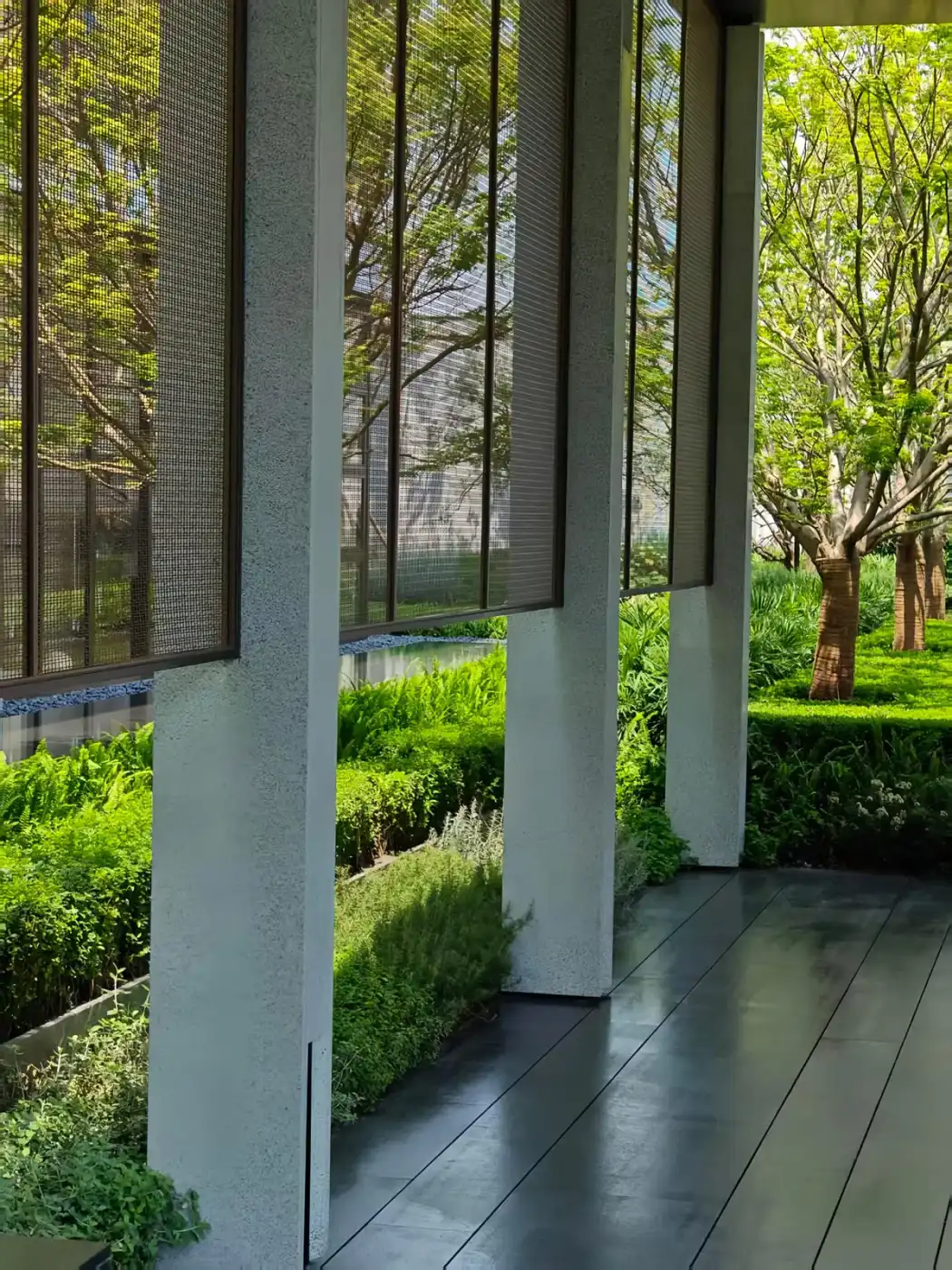
Open area, mesh direction, projection, color and viewing angle.
Before facade shading details or product sample approval.
Mesh density comparison and sample review under real light.
Application guidance
Help the shading layer work without overbuilding the facade.
Sunshading projects often fail when the mesh is selected only by appearance. The useful review is how the surface filters light, how it looks from different angles, and whether the fixing route can stay light enough for the building.
Reduce direct glare while keeping enough openness for daylight and outside connection.
Use mesh rather than heavy panels when the facade needs shade but not a blocked appearance.
Review how visibility changes when people move along the facade or look from inside.
Choose a finish route that can keep color and reflectance stable in sun exposure.
Where it works
Common places where sunshading mesh is used.
- Commercial shading surfaces
- Hotel balcony privacy layers
- Office window-side screening
- Courtyard facades
- Exterior shade screens
Recommended products
Product families worth comparing first.
SG-CR Cable Rod Mesh
Works well for linear shading layers where openness and tension need to stay controlled.
SG-EX Expanded MetalCreates directional depth and a practical shading surface for repeated exterior panels.
SG-PH Perforated MetalGives precise open area and a clean sheet-panel route for solar filtering.
SG-WM Woven Wire MeshUseful when the project needs a softer woven texture and refined exterior detail.
Selection checks
Questions that make the recommendation more accurate.
These checks help SGORIA recommend fewer, more relevant product and sample options instead of making a generic catalogue suggestion.
Review orientation, peak sunlight and whether the mesh is shading windows, walkways or balconies.
Compare samples by viewing angle rather than only open area numbers.
Dark, bright and metallic finishes all change how strong the shading layer feels.
Exterior shade layers should be planned with practical access for dust, rain marks and maintenance.
Installation detail
Facade and sunshade fixing
Sunshading mesh usually connects to facade brackets, frames or secondary support. The fixing review should protect the lightness of the design while keeping panel alignment clear.
View installation supportMaterial & finish
Finish behavior under sunlight
Sunshading surfaces should be checked in real light because reflection and color depth can shift outdoors. Aluminum, stainless steel, powder coating and fluorocarbon coating are common directions depending on exposure and color target.
Project information
What to send for useful guidance.
You do not need a complete specification at the first step. A clear application area, reference image and approximate dimensions are enough for SGORIA to suggest a useful starting point.
Request Samples- Facade orientation
- Shading target
- Window or opening size
- Preferred transparency
- Panel size target
- Color or finish reference
- Fixing surface
- Site exposure
Application FAQ
Useful answers before choosing sunshading mesh.
The final choice should still be checked with the project drawing, finish sample and installation condition.
Can metal mesh reduce glare without blocking all daylight?
Yes. Mesh open area, angle and color can reduce direct glare while keeping daylight and outward visibility more open than solid shading panels.
Which product families are usually used for sunshading?
Cable rod mesh, expanded metal and perforated metal are common sunshading directions. Woven mesh can also work when the project wants a softer architectural texture.
Does finish color affect shading performance?
Yes. Darker tones can visually recede and reduce glare, while brighter metallic finishes may reflect more light. Physical samples should be reviewed under project lighting.
What information helps SGORIA review sunshading mesh?
Orientation, elevation size, target transparency, reference image, preferred finish and fixing condition are enough to start a useful sunshading review.
Related applications
Compare nearby application types.
Many projects sit between more than one application. Comparing related uses helps avoid choosing a product too early.
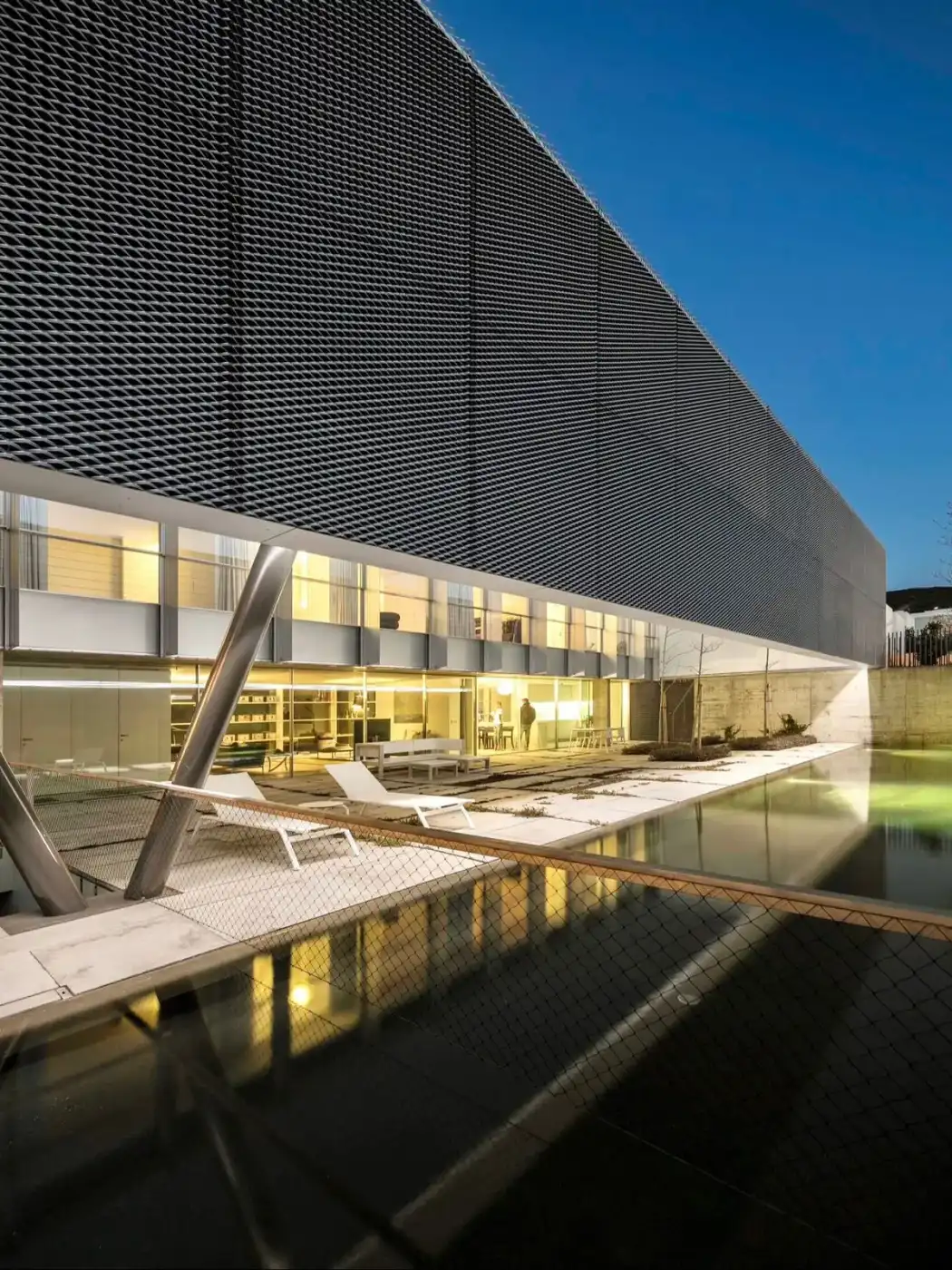 Exterior architectural skin Facade / Envelope
 Facade mesh has to read as architecture and work as a buildable exterior layer for commercial buildings and public projects. SGORIA helps align visual depth, openness, material, finish and fixing before the elevation moves into sample or quotation.
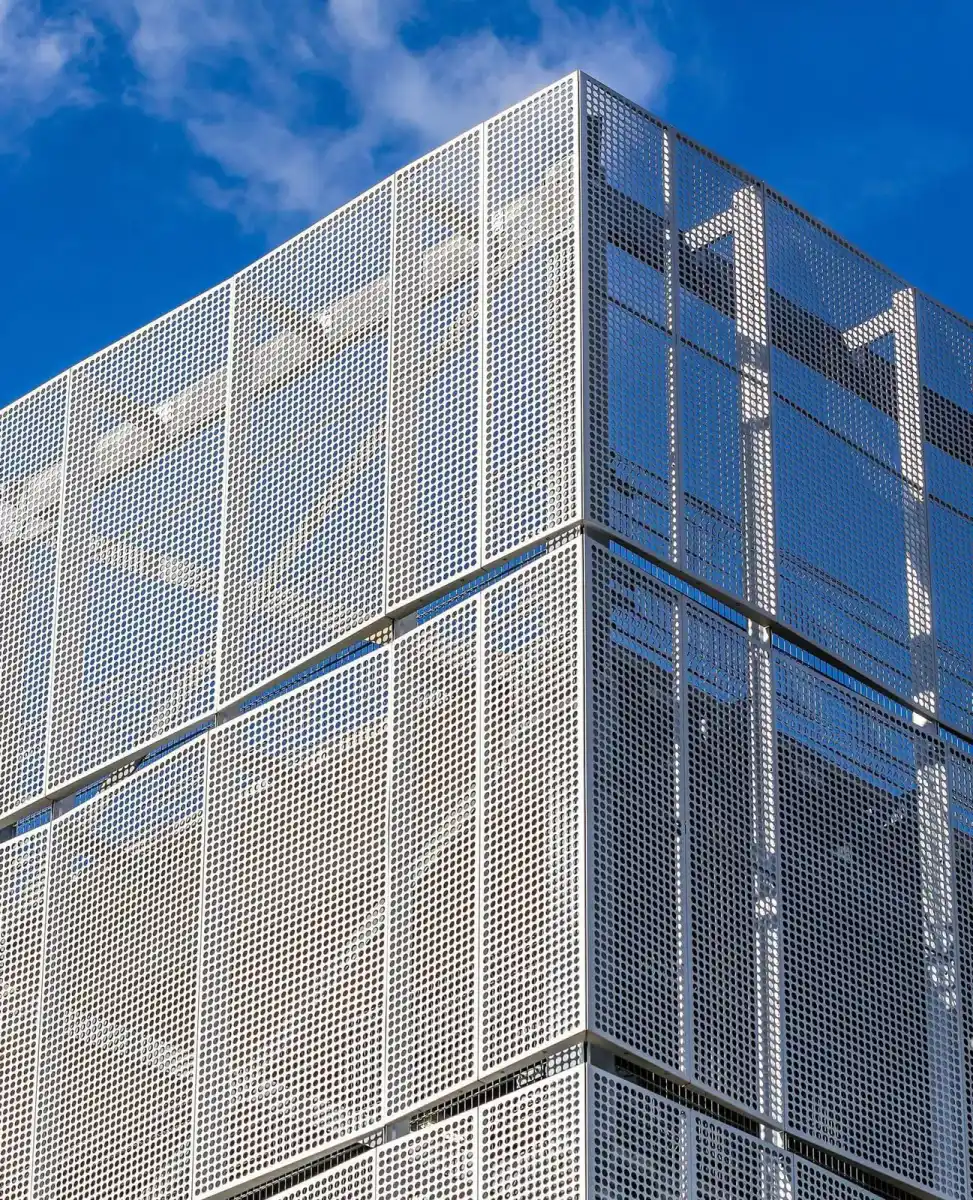 Ventilated exterior screening Parking Garage Screen
 Parking screens need to stay breathable, economical and visually ordered across large elevations. SGORIA helps match open area, panel size, material and finish with the real parking structure condition.
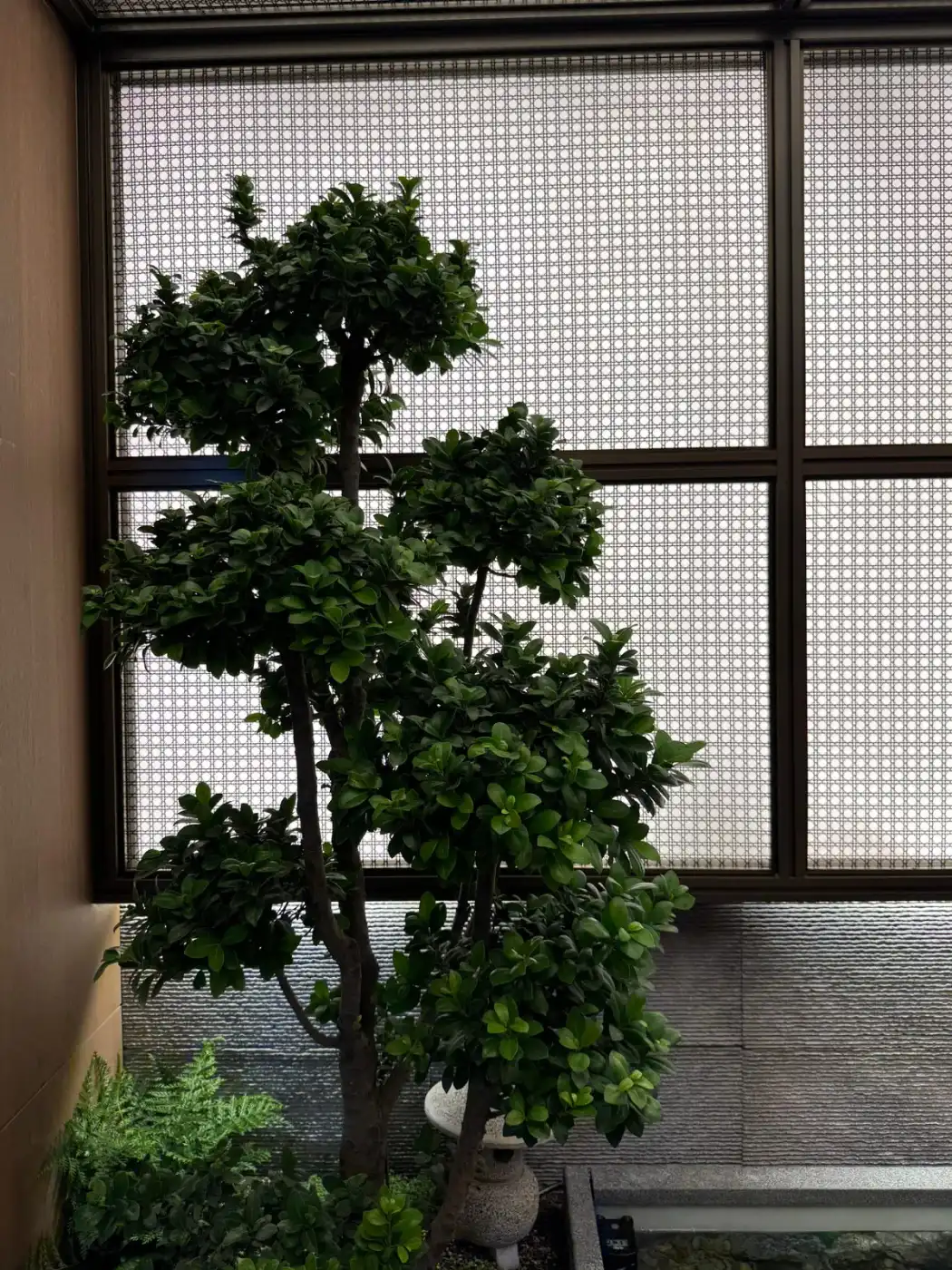 Close-range architectural surface Wall Cladding
 Wall cladding mesh is seen close in hotel lobbies, office receptions, retail stores and showrooms, so it is judged by detail. SGORIA helps connect product texture, backing, edge treatment, finish and lighting so the surface feels intentional after installation.
Application guidance
Need help choosing the right mesh for this application?
Send the application area, drawing, dimensions or reference image. SGORIA can help compare the right product family, finish and sample options.