Direct answer
Open area is useful, but not enough by itself.
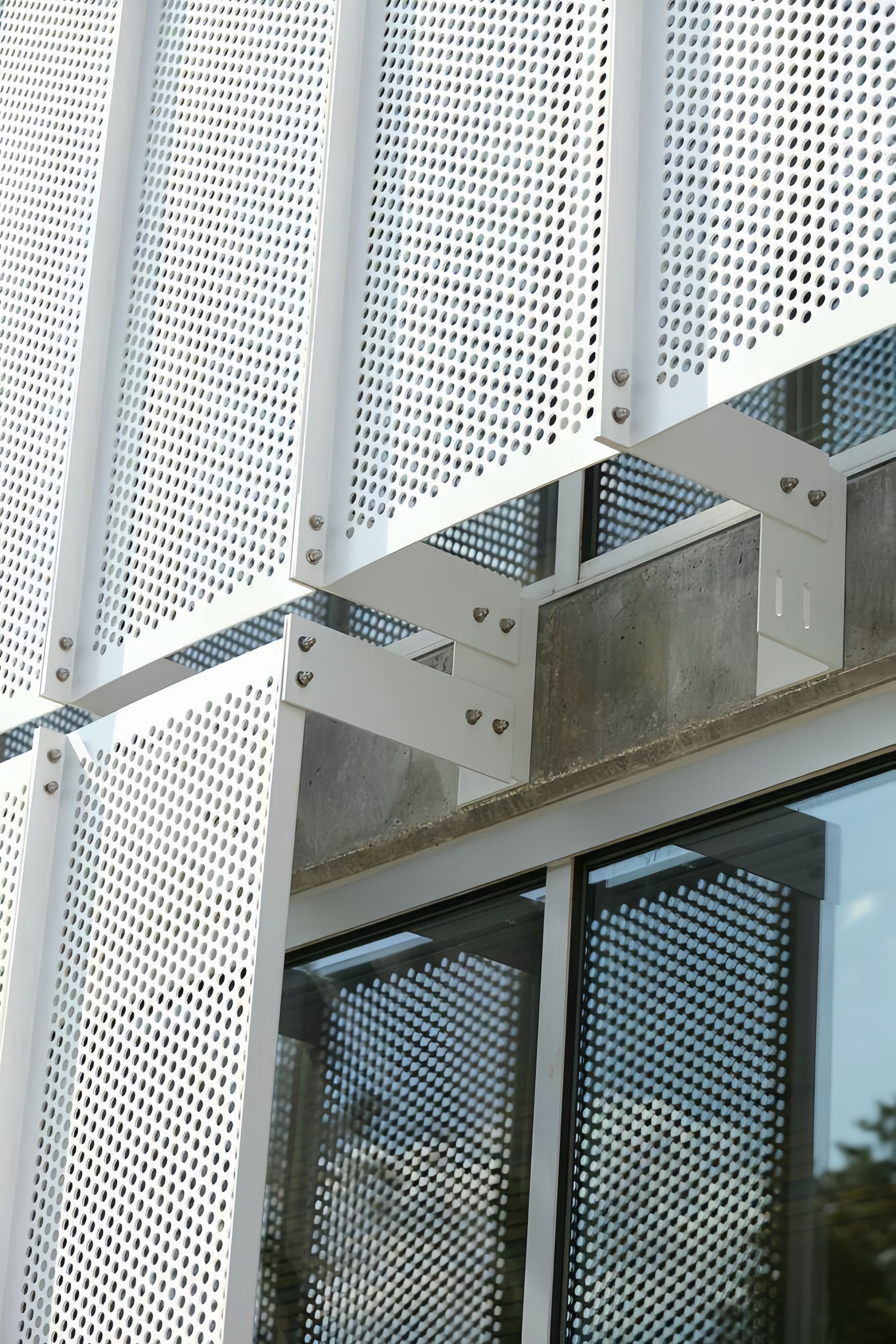
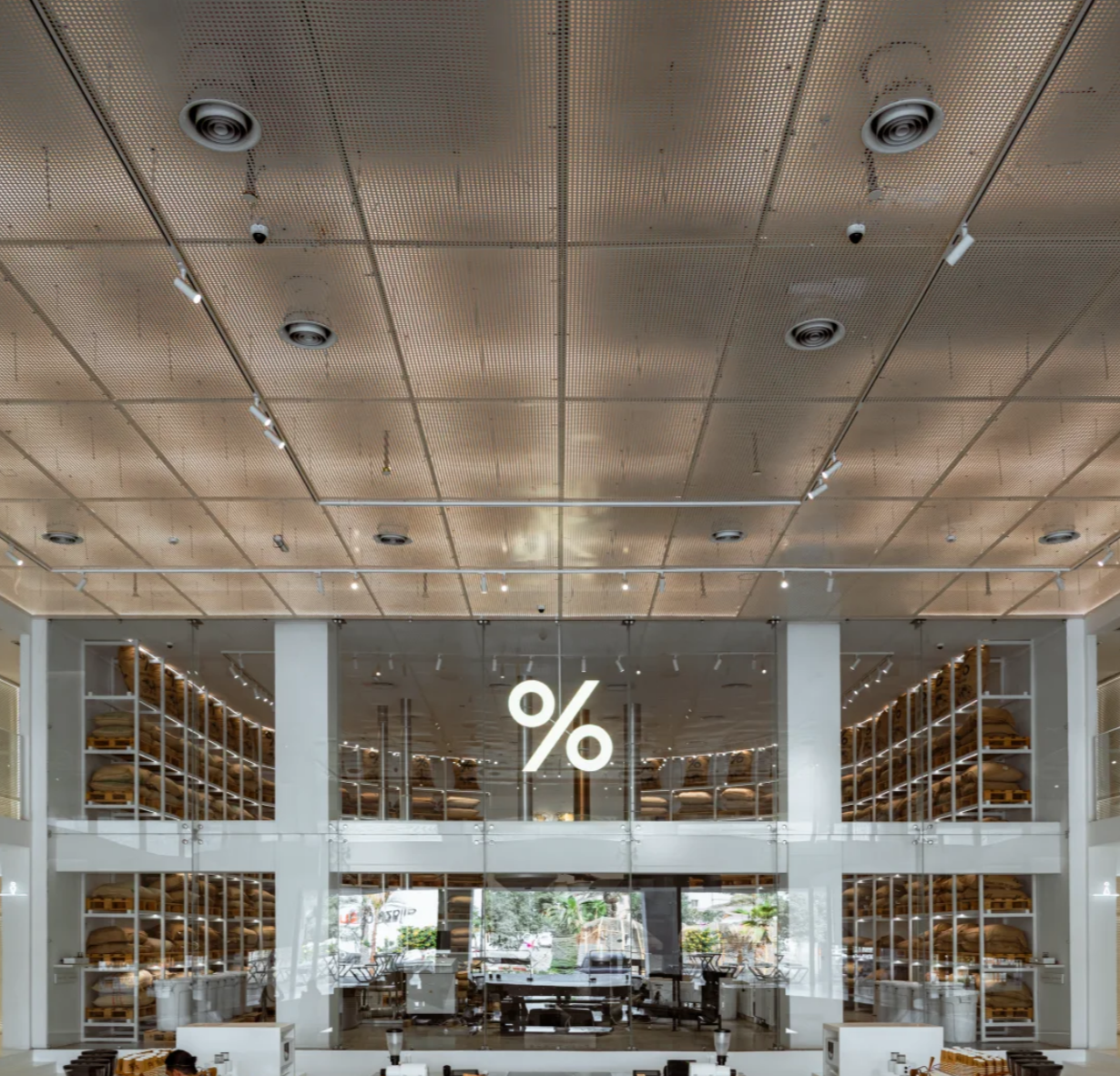
In facade metal mesh, open area describes how much void exists in the surface. It helps estimate transparency, airflow and daylight, but the final effect also depends on mesh depth, viewing angle, finish color, panel distance from the building and the fixing system.
Facade behavior
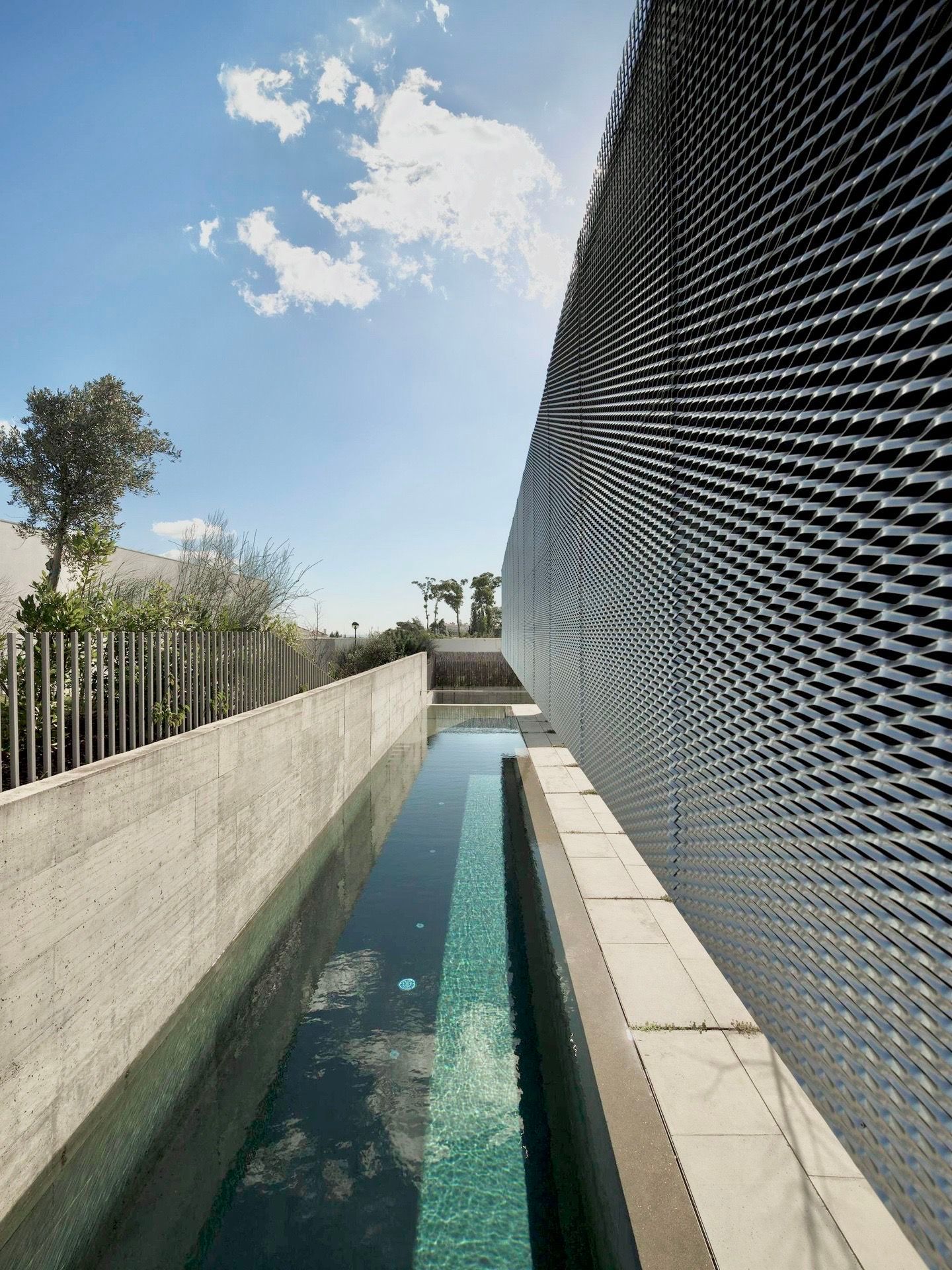
The same open area can look different from different angles.
Expanded metal, perforated metal, woven mesh and cable rod mesh do not behave the same visually. Directional products can appear more closed from one angle and more open from another. This matters for parking garages, sunshading and commercial building envelopes.
Performance balance
More open is not always better.
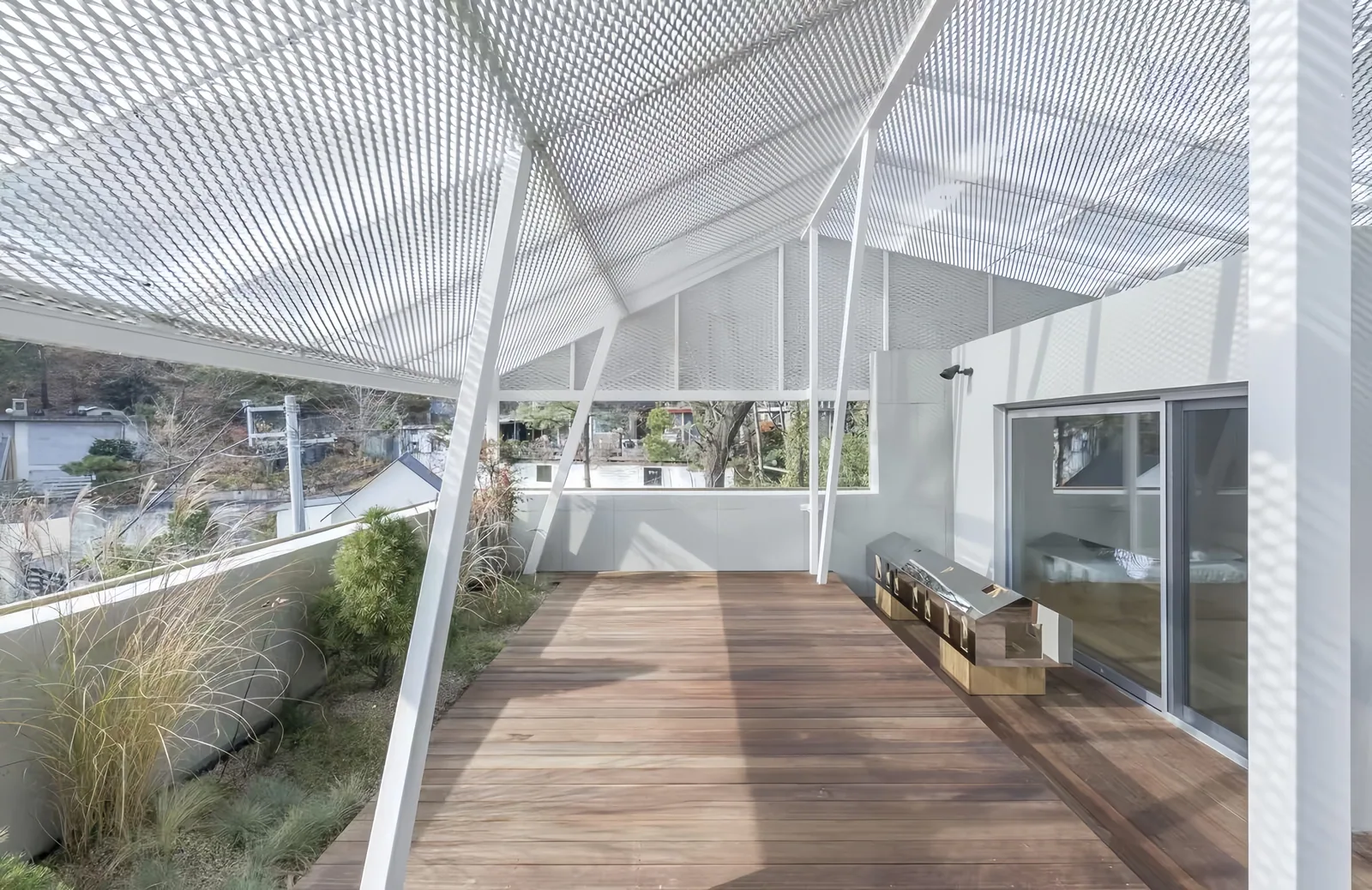
A very open mesh may improve airflow and daylight but reduce privacy and screening. A denser mesh may improve visual control but increase apparent weight. SGORIA usually reviews the target: ventilation, glare reduction, privacy, security, visual depth or brand expression.
Project review
Facade samples should be judged at building scale.
A small sample helps compare texture and finish, but facade decisions should also consider panel module, repetition, edge support, wind exposure, maintenance access and how the mesh looks from street distance.
Project checklist
Information worth confirming before the next discussion
- Target open area or visual density
- Main viewing angle
- Airflow or daylight priority
- Privacy requirement
- Panel module
- Exterior finish
- Frame or tension route
Questions to clarify
If you still have questions, start with these answers
Does higher open area mean better facade mesh?
Not always. Higher open area can improve airflow and visibility, but may reduce privacy, shading or screening. The right balance depends on the project condition.
Which mesh is good for parking garage ventilation?
Expanded metal, perforated metal and cable rod mesh can all work. The choice depends on airflow, privacy, panel economy, durability and the desired facade rhythm.
Should facade mesh samples be tested outdoors?
When possible, yes. Exterior daylight, viewing angle and distance can change the perceived density and color of the mesh.