Direct answer
Both can screen, but they express different logic.
Choose perforated metal when the project needs precise hole pattern, custom graphics, clean sheet geometry or folded tray panels. Choose expanded metal when the project needs directional texture, ventilation, formed depth and efficient repeated screening.
Perforated metal
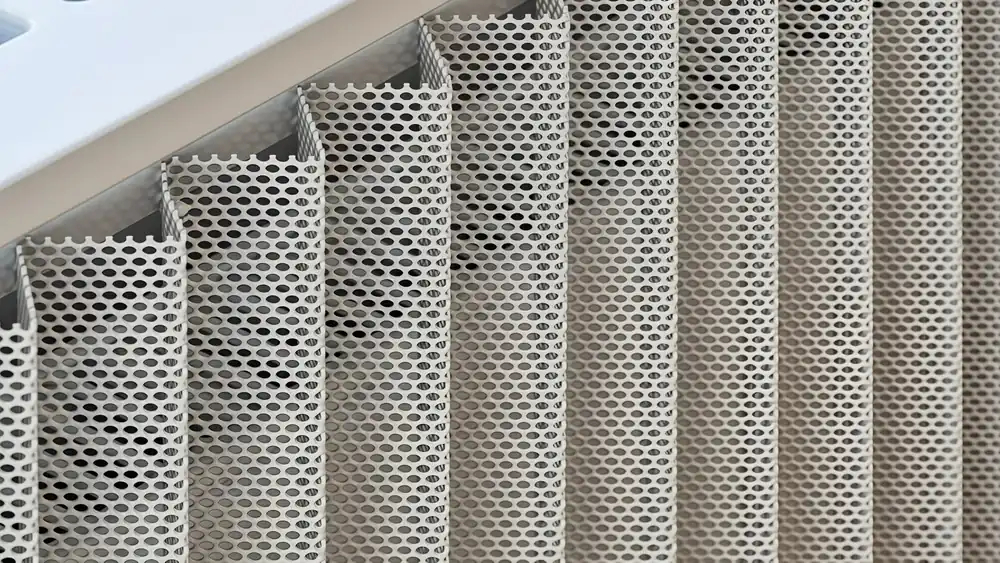
Perforated metal gives the cleanest pattern control.
SG-PH perforated metal can use round, square, hexagonal or custom holes. It is useful for facades, ceilings, wall cladding and safety screens where hole size, open area, margin and panel edge must be controlled.
Expanded metal
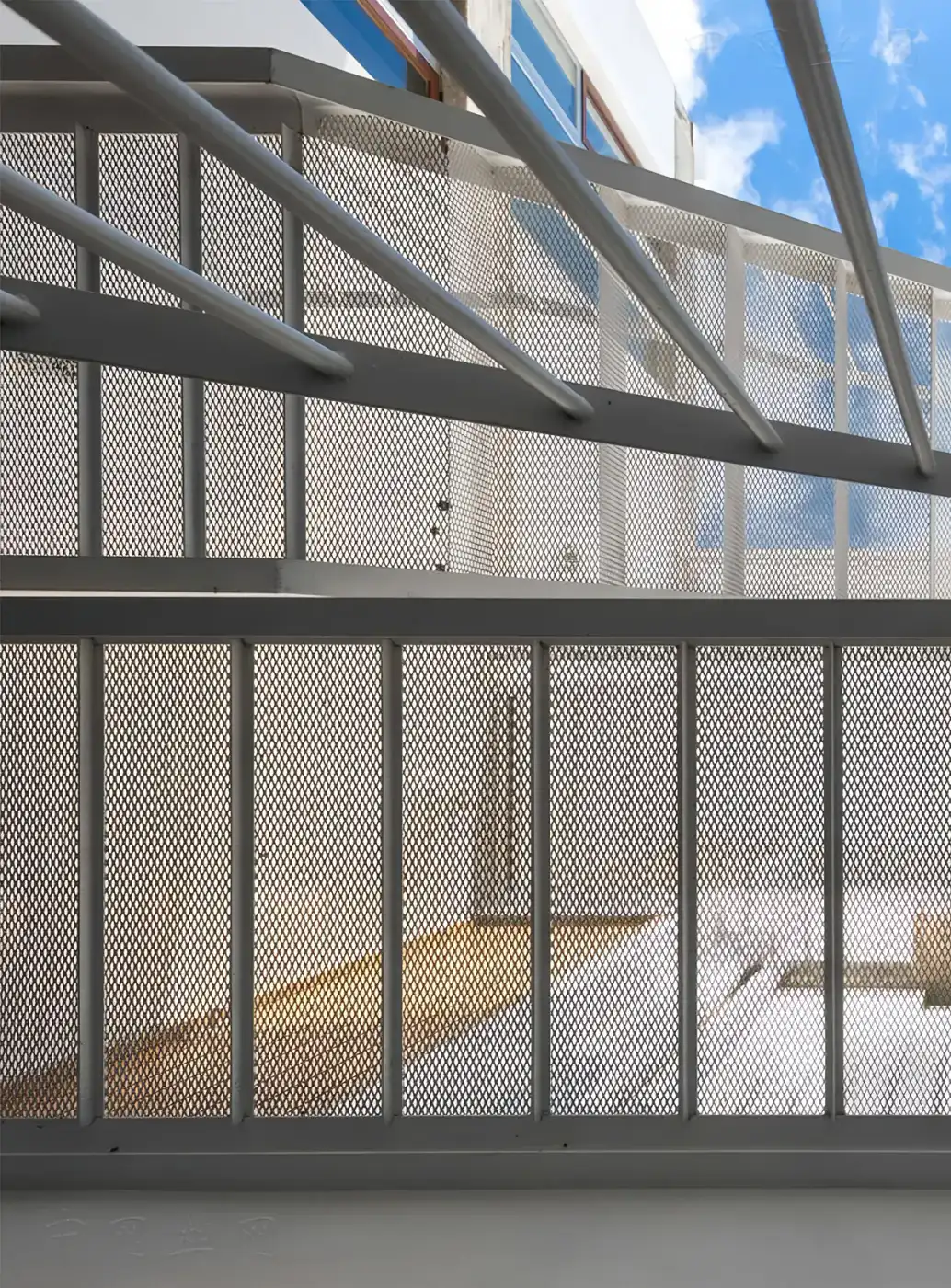
Expanded metal has a stronger directional character.
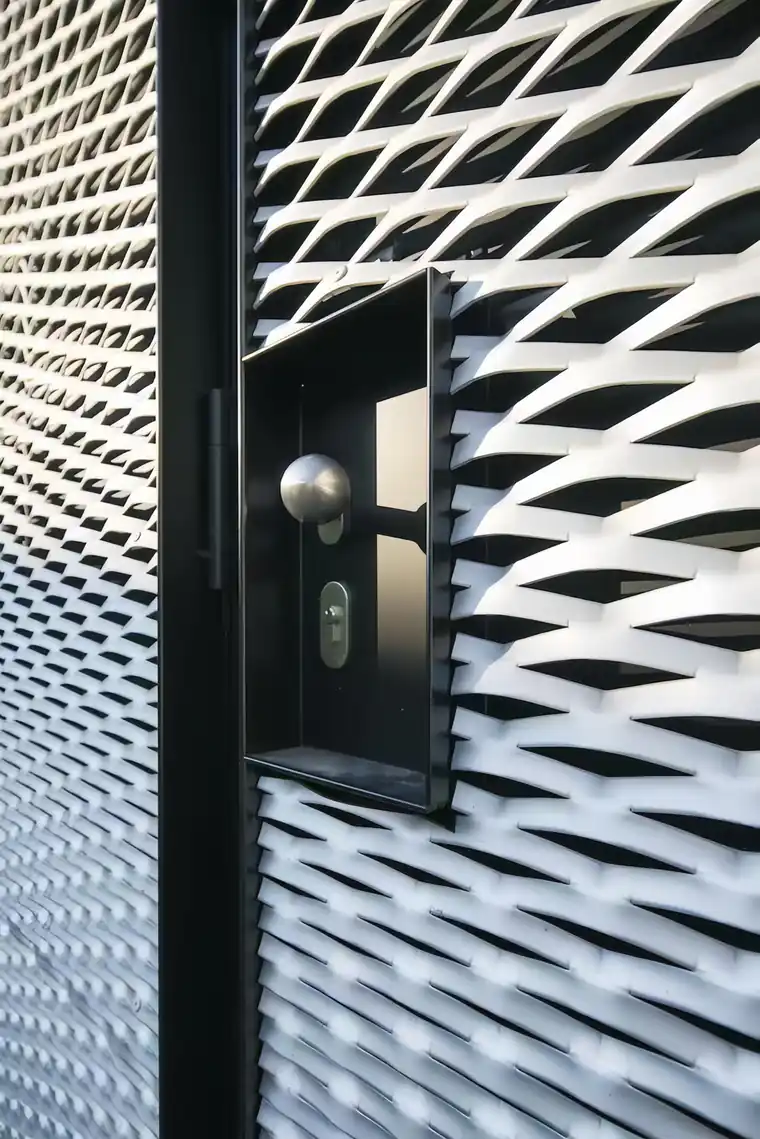
SG-EX expanded metal is slit and expanded from sheet, so the opening direction affects visibility. It is often useful for parking garages, facades, ceilings and exterior screens where airflow and depth matter.
Decision table
The practical decision is about use, not only appearance.
For a graphic or highly regular pattern, perforated metal is usually clearer. For economical ventilation and directional screening, expanded metal often performs better. For either route, confirm open area, thickness, panel size, fixing and finish samples before production.
Project checklist
Information worth confirming before the next discussion
- Pattern precision
- Open area
- Panel size
- Thickness
- Edge fold or frame
- Viewing angle
- Finish route
Questions to clarify
If you still have questions, start with these answers
What are the disadvantages of expanded metal?
Expanded metal has directional visibility and less precise graphic control than perforated metal. It may not be ideal when a clean custom hole pattern or flat visual geometry is required.
Is perforated metal more expensive than expanded metal?
It depends on material, thickness, hole pattern, finish, quantity and panel detail. Custom perforation or complex margins can increase cost.
Which is better for parking garage screens?
Expanded metal is often practical for breathable parking screens, while perforated metal works when the project needs controlled pattern geometry or sheet panel language.