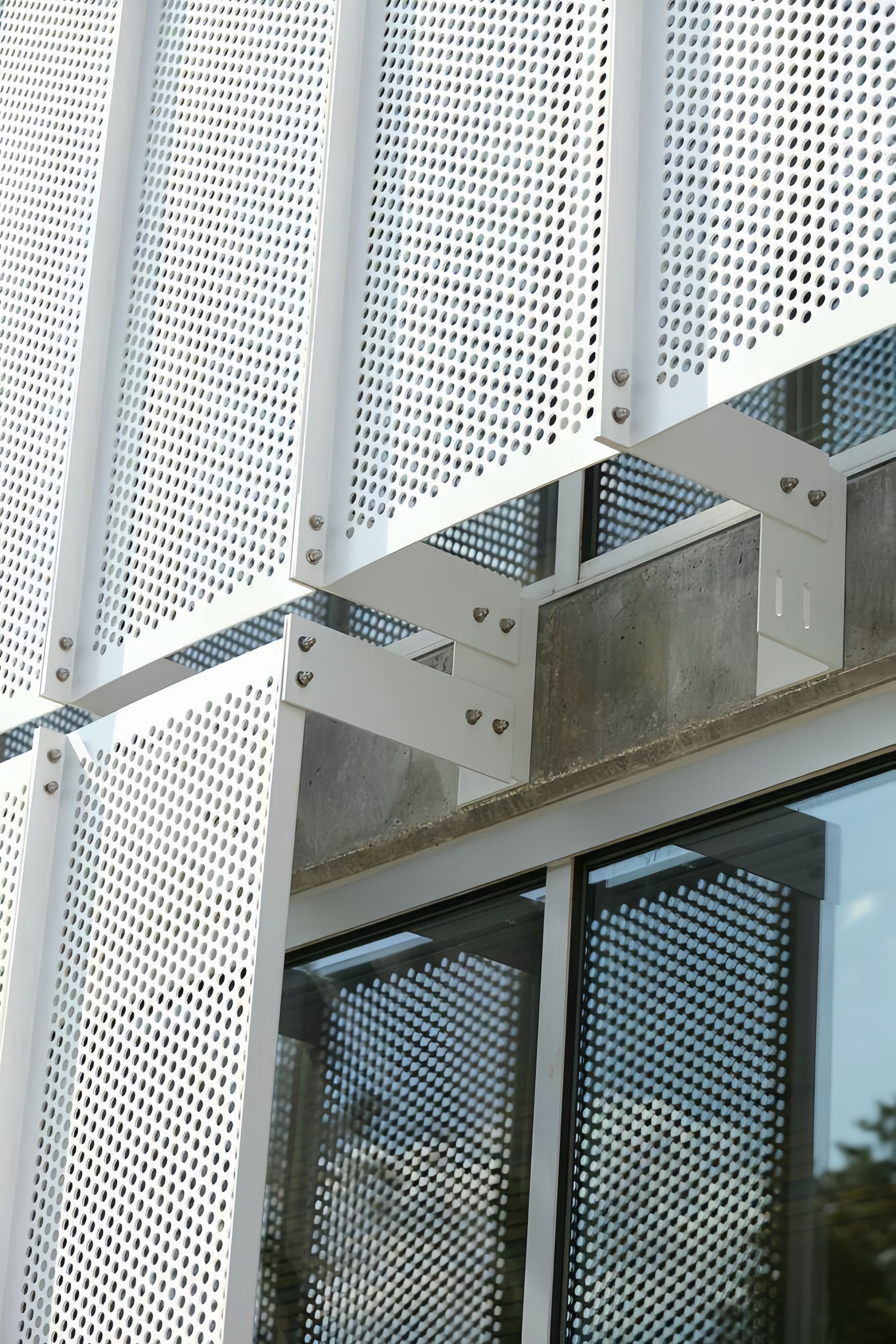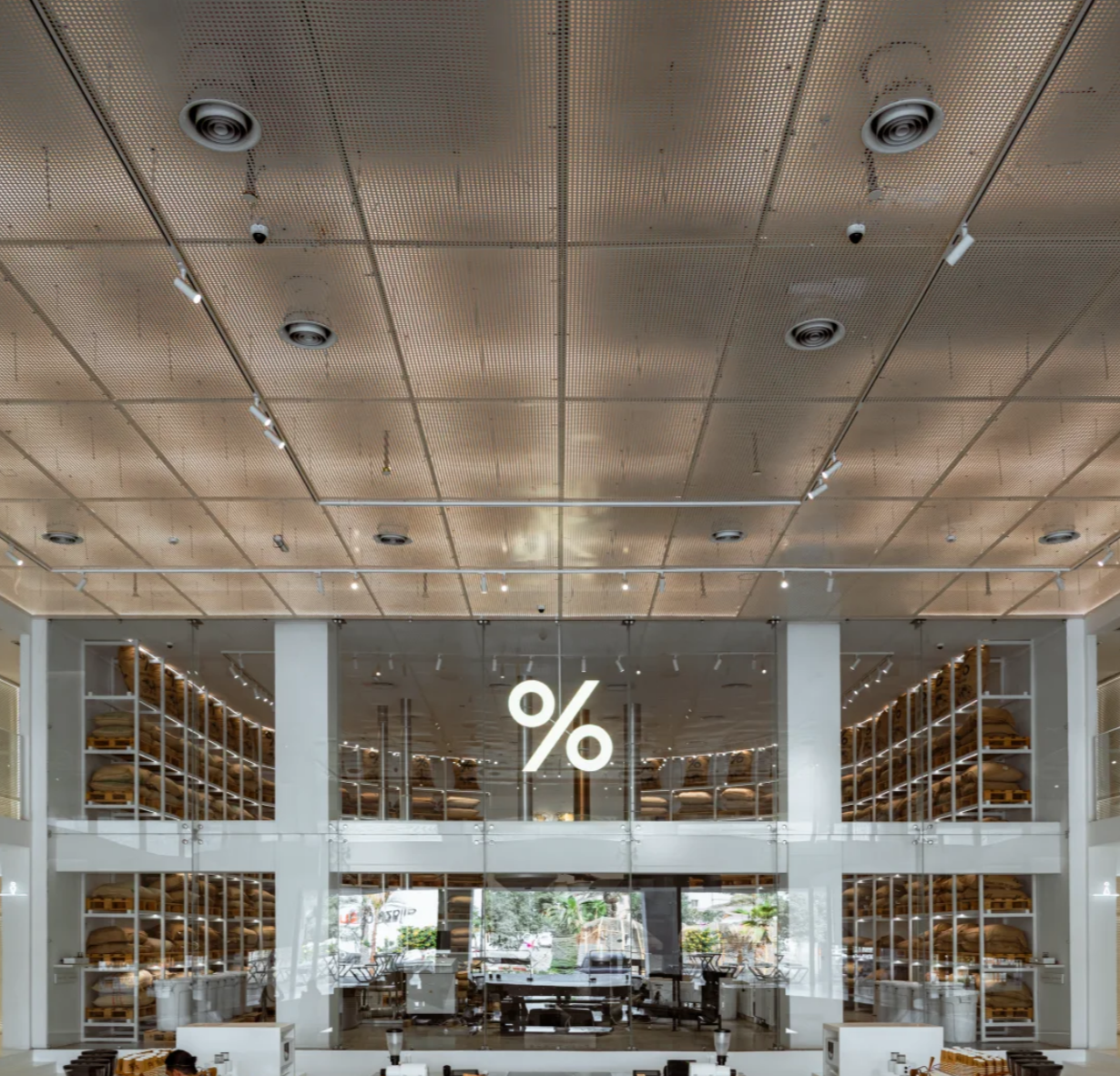
Article overview
Start with privacy, light and buildability.
SGORIA interior metal partitions help divide hospitality, retail and office spaces while still allowing daylight, sightlines and airflow to move through an interior. The right system should be selected by privacy level, viewing distance, finish tone, edge detail and how the screen will be fixed or hung.
Design decision
Privacy, light and airflow should be balanced together.
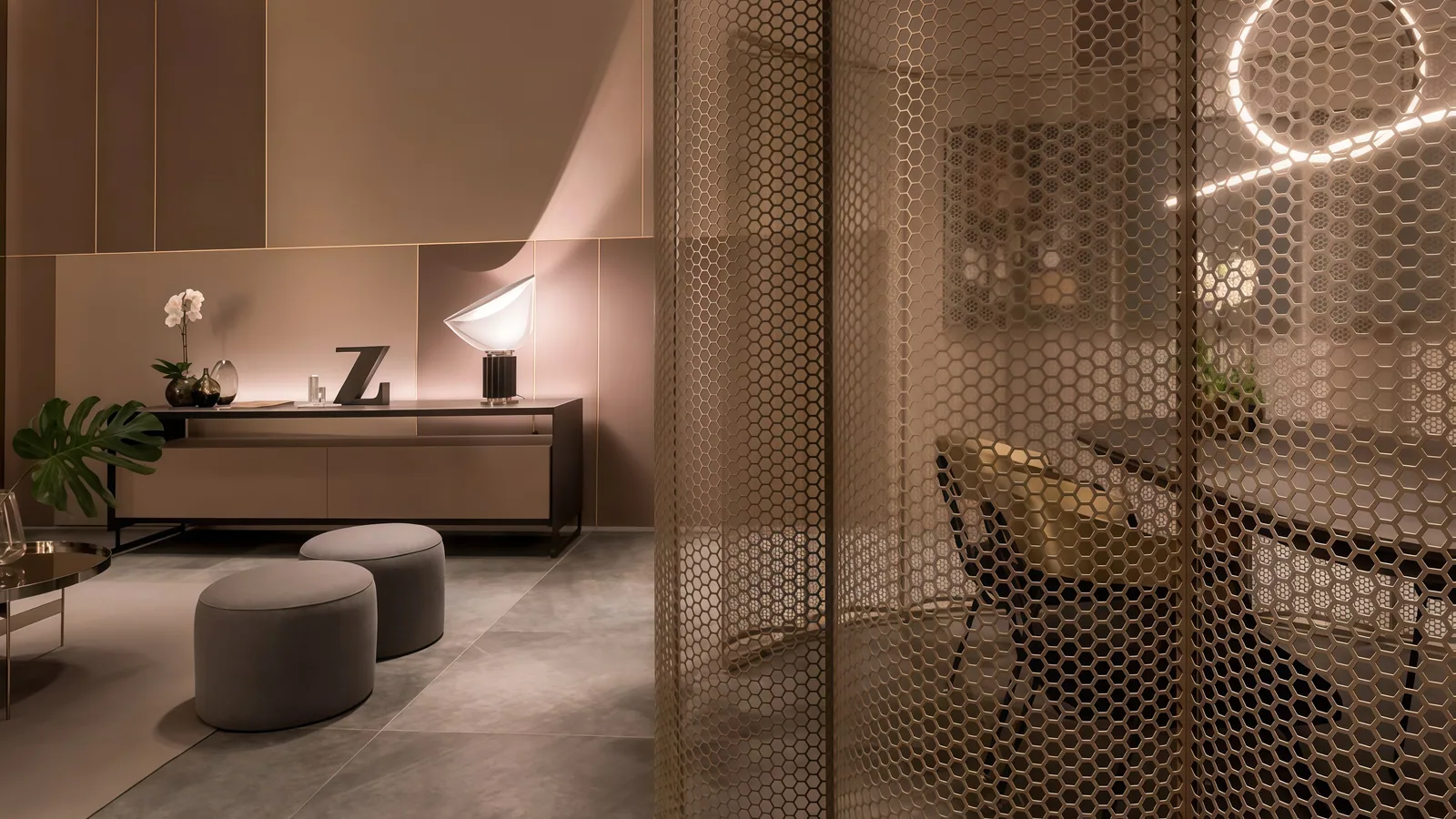
Open meshes work well where visibility and connection matter, such as retail settings, cafe fit-outs and front-of-house hospitality spaces. Denser patterns create more privacy at close range, which can suit quiet office zones, back-of-house areas or decorative screens where a softer boundary is needed.
Product route
Different partition systems solve different interior needs.
Woven wire mesh is best when refined texture, consistent rhythm and controlled open area matter. Cable-rod mesh can support larger spans and a more linear architectural expression. Chain curtain is lightweight, flexible and useful for hospitality, movable dividers and graphic retail displays. Perforated or expanded metal suits repeatable sheet panels, robust edges and precise open-area control.
Technical snapshot
Use model data as a shortlist, then confirm with samples.
Typical catalogue examples include SG-WM woven models ranging from about 8 percent to 67 percent open area, SG-CR cable-rod models around 41.5 percent to 65.3 percent, and SG-PH perforated sheets around 20 percent to 80 percent. Exact values, weight and fixing details should always be checked against the selected model datasheet.
Materials and finishes
Australian coastal and high-use interiors need finish care.
In coastal or high-use interiors, material and finish selection has a real impact on durability. Stainless steel is often preferred where corrosion resistance matters, while aluminium is useful for lightweight colour-focused systems such as chain curtain. Natural metal, anodising, powder coating, PVDF or plating should be reviewed with physical samples under comparable site lighting.
Documentation
Commercial fit-outs should confirm evidence and fixing early.
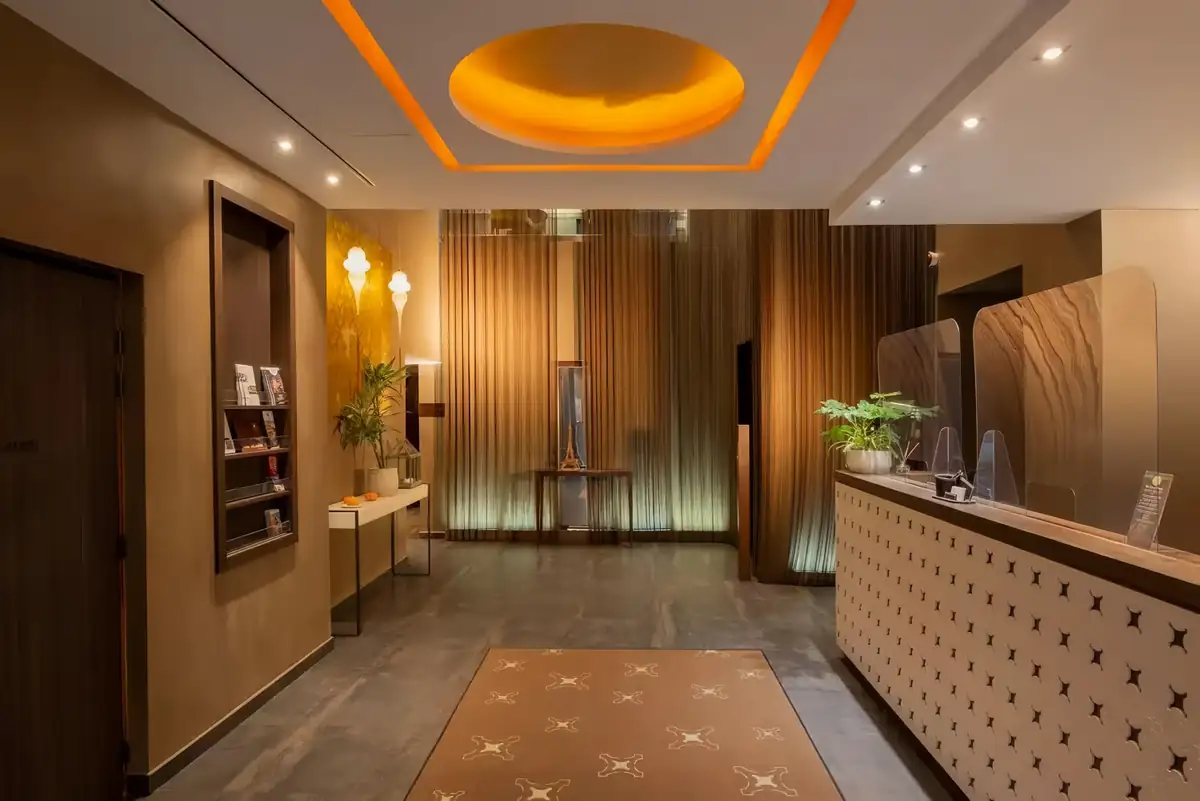
For commercial fit-outs, documentation matters as much as appearance. Product catalogues, finish guides, fixing notes and sample approvals help the design team, contractor and buyer work from the same information. Fire evidence, CAD support or BIM coordination should be requested early when the selected product and assembly require it.
Project workflow
Samples and lead times become clearer after the fixing route is known.
Framed panels need coordinated perimeter details, tensioned cable-rod systems need span and support checks, and hanging curtain systems depend on track and suspension details. Lead times are usually confirmed after sample approval, drawings and project requirements are clear enough for production planning.
Project checklist
Information worth confirming before the next discussion
- Project type and application area
- Required privacy level and viewing distance
- Open area or visual density target
- Preferred product family or reference image
- Material and finish direction
- Frame, track, channel or tension route
- Sample approval requirement
- Any CAD, BIM or technical documentation needs
Questions to clarify
If you still have questions, start with these answers
What is the best metal mesh for an interior partition?
The best option depends on privacy, span, texture and fixing. Woven wire mesh suits refined fixed panels, chain curtain suits flexible hospitality dividers, cable-rod mesh suits larger transparent screens, and perforated or expanded metal suits repeatable sheet panels.
Can metal partitions keep an interior bright?
Yes. A metal mesh partition can divide space while keeping daylight and sightlines open. The open area, pattern scale, finish and lighting condition decide how transparent or private the partition feels.
Should samples be reviewed before ordering interior metal partitions?
Yes. Samples help confirm texture, colour, reflection, openness and touch quality. For hospitality, retail and office interiors, reviewing samples beside nearby materials gives a much more reliable decision than photos alone.
What information should be sent for a partition quotation?
Send the application, approximate dimensions, quantity, reference image, privacy target, finish direction and expected fixing route. If drawings are not ready, mark the unknown details clearly so SGORIA can separate early product direction from final production information.