Direct answer
The decision changes when scale and fixing change.
Choose woven wire mesh when close-range texture, pattern variety and refined surface density matter. Choose cable rod mesh when the project needs larger transparent fields, stronger linear rhythm, tension logic or facade-scale screening.
Woven mesh
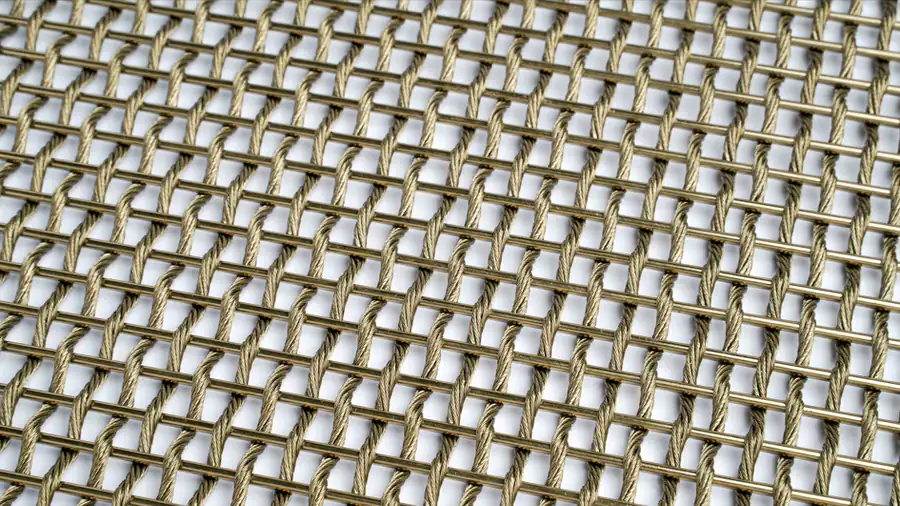
Woven wire mesh gives more texture directions.
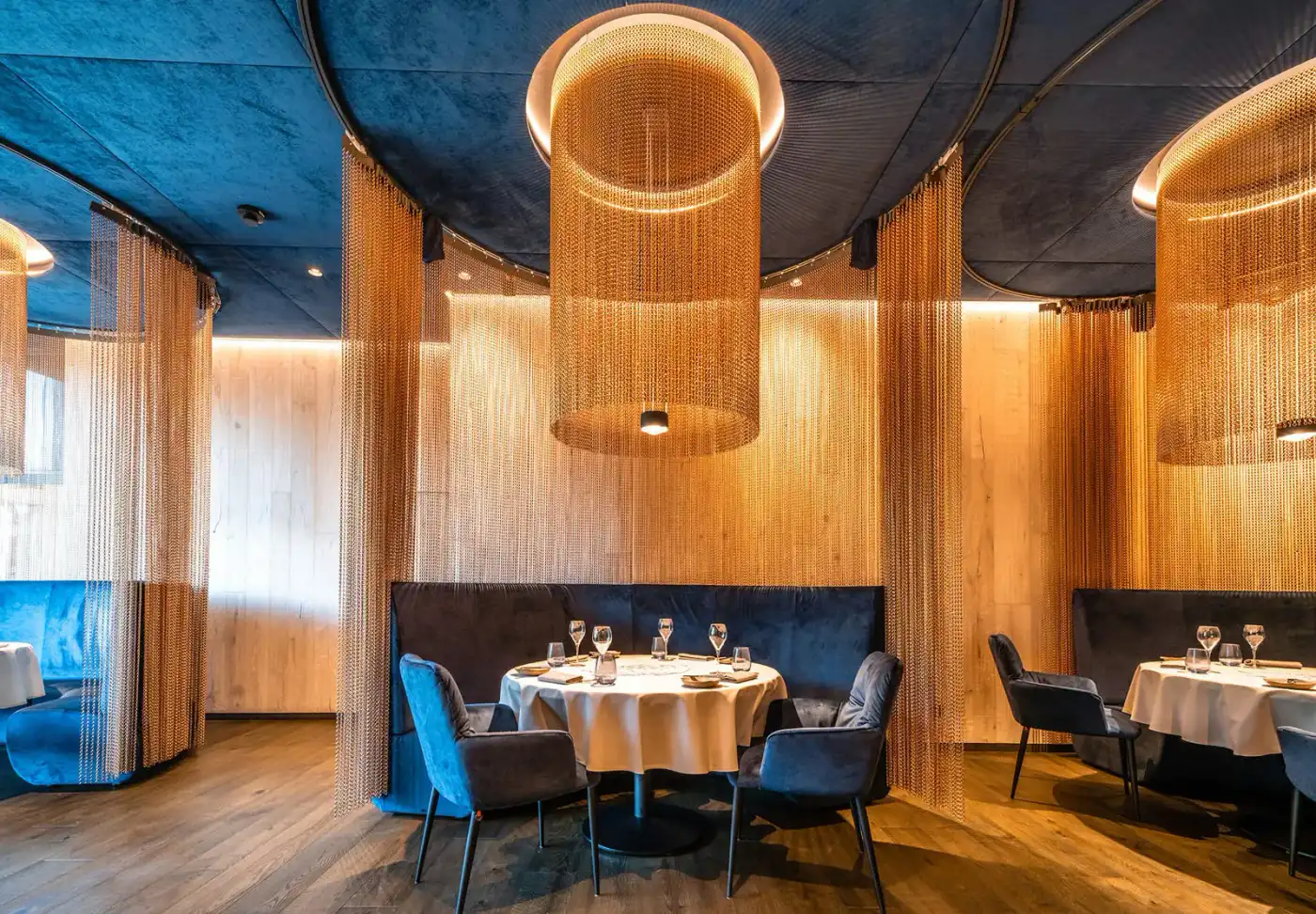
SG-WM woven wire mesh offers many models with different wire profiles, open areas and visual densities. It works well for hotel walls, office partitions, retail panels, elevator interiors and some facade screens.
Cable rod mesh
Cable rod mesh is more structural in expression.
SG-CR cable rod mesh combines cable and rod elements, making it useful for stair screens, facade layers, sunshading and large surfaces where the mesh needs a disciplined linear rhythm and clearer tension route.
Sample route
Compare by application, not by beauty alone.
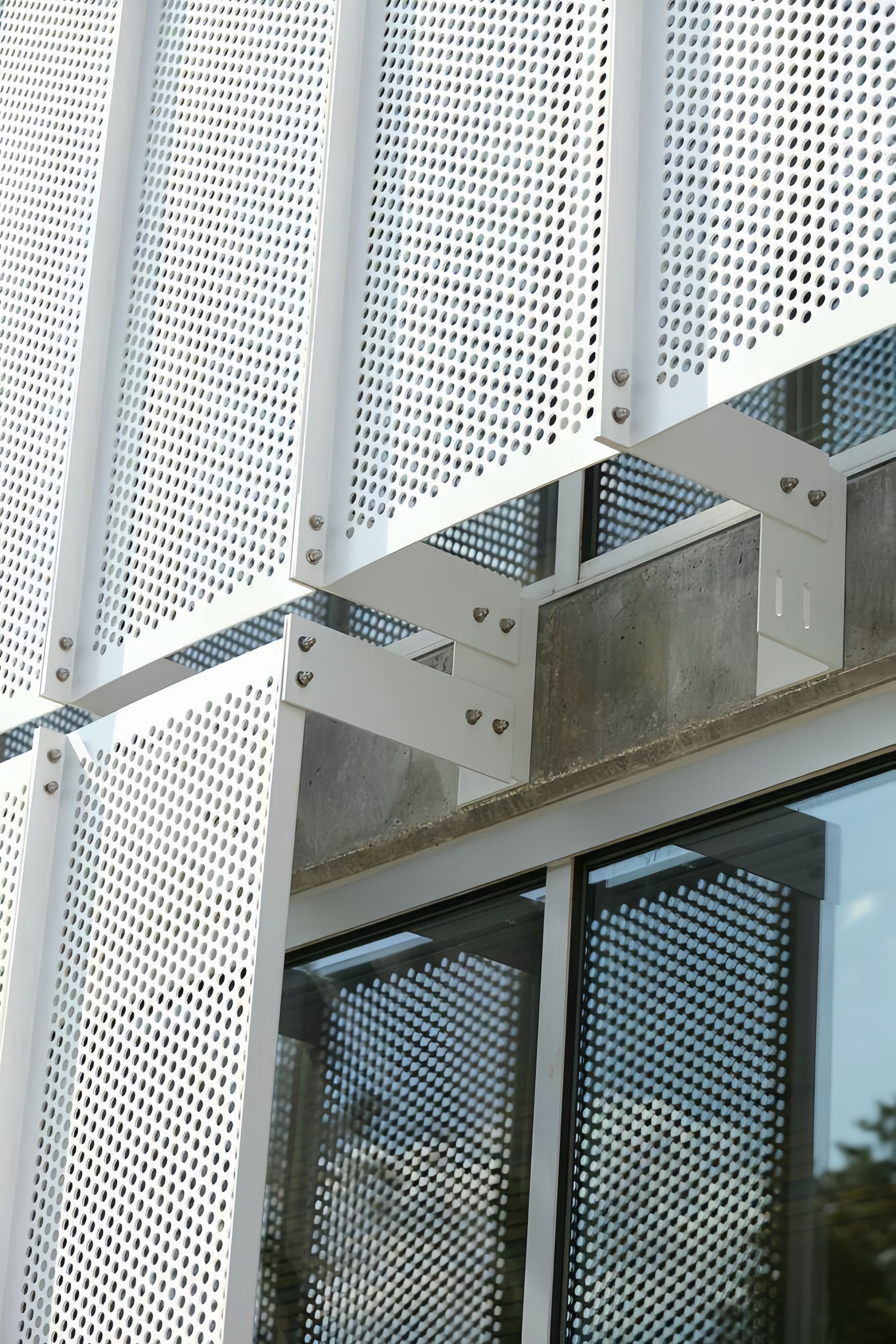
For interiors, check close-range texture and finish. For facades, check panel module, open area, fixing and maintenance access. The same sample can feel very different when the project role changes.
Project checklist
Information worth confirming before the next discussion
- Application
- Surface size
- Open area target
- Close-range texture
- Tension or frame route
- Finish sample
- Installation condition
Questions to clarify
If you still have questions, start with these answers
Is woven wire mesh better for interiors?
Often yes, especially when close-range texture and refined pattern are important. But product choice still depends on application, openness and fixing route.
Is cable rod mesh better for facades?
Cable rod mesh can be strong for facades and large screens because it gives clearer linear rhythm and tension logic. Woven mesh can also work for selected facade conditions.
Can SGORIA compare both samples for one project?
Yes. Send the application, size, visual target and finish direction, and SGORIA can suggest a comparison sample route.